DESIGN CENTER
Woods & Colors
Infinite Possibilities. Uniquely Yours.
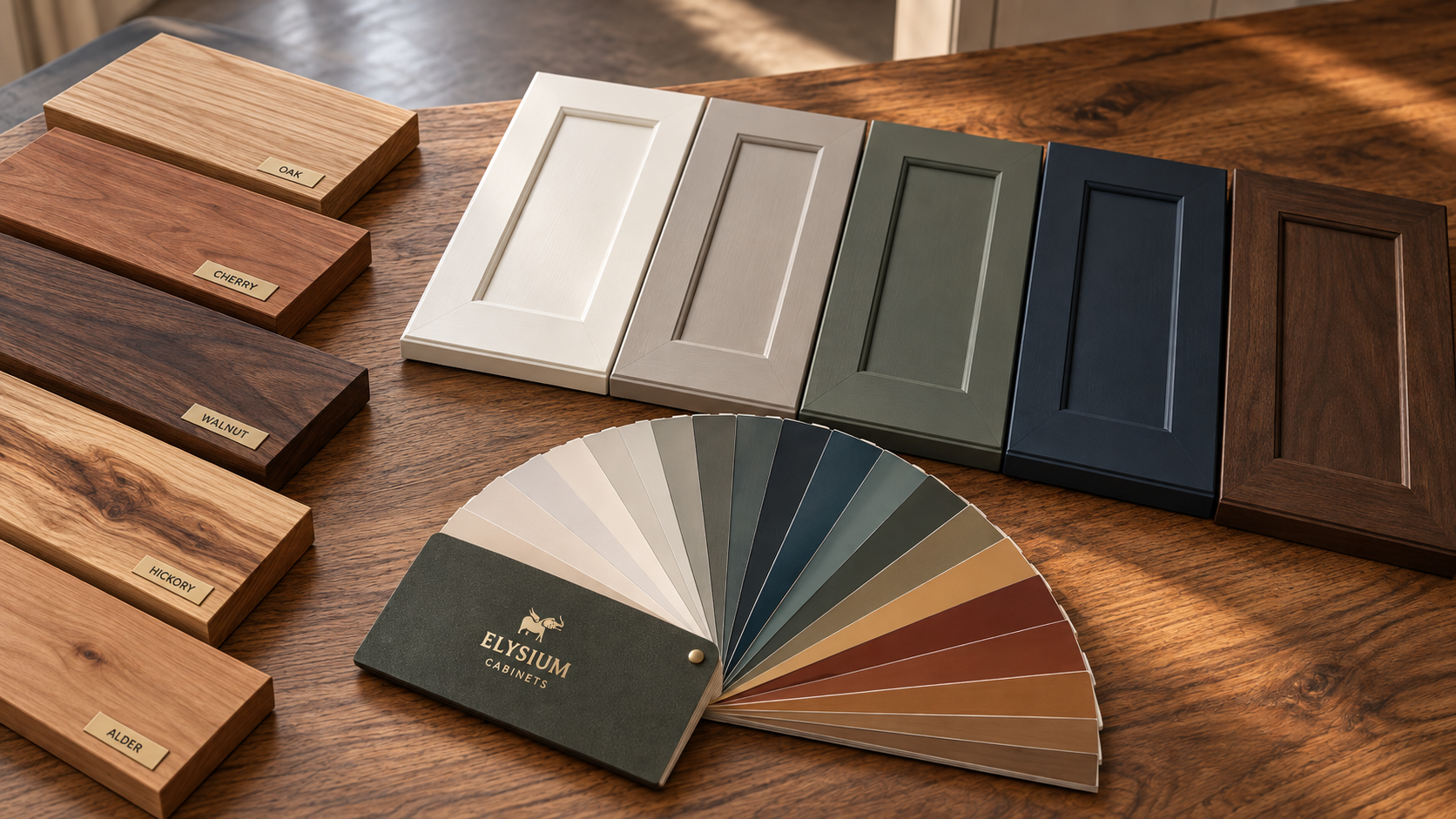
Explore a curated selection of premium wood species and beautifully curated colors to bring your vision to life. From the natural character of each wood to the finish that completes the look, every choice offers an opportunity to make your cabinetry more personal. Our woods and colors are selected for enduring beauty, lasting performance, and the freedom to create a look that feels distinctly yours.
Search results:
(36 results)
White Oak
Walnut
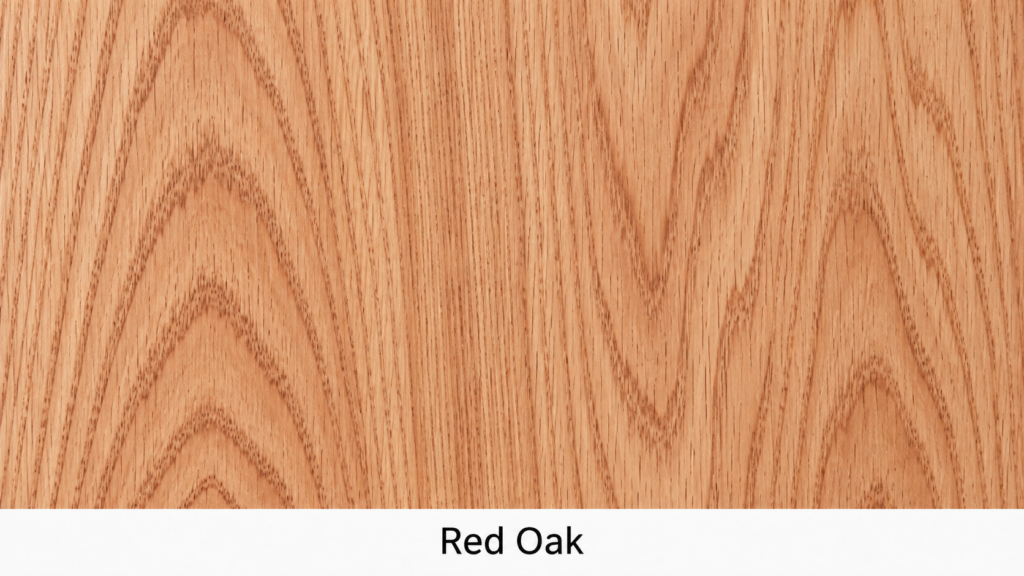
Red Oak
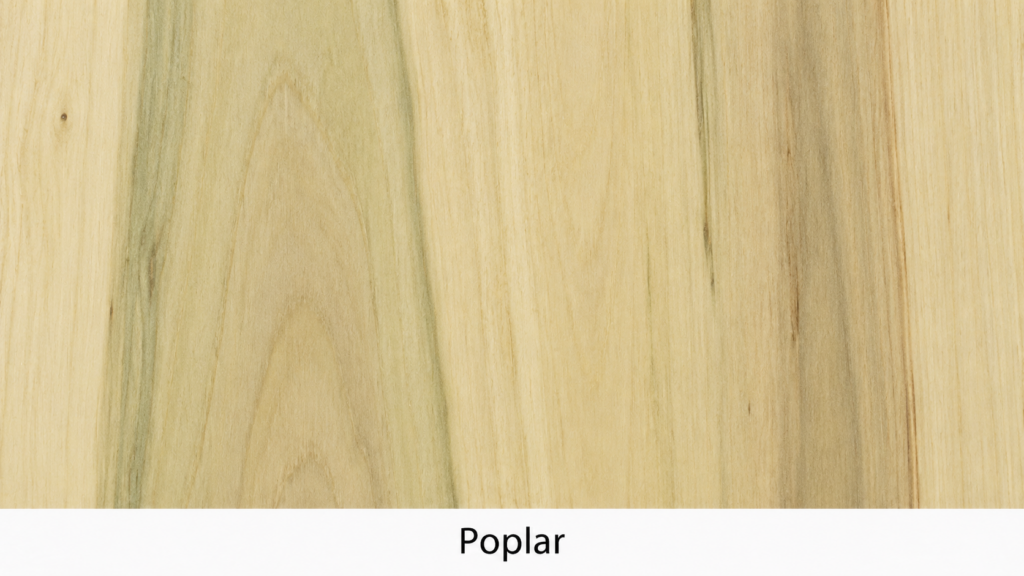
Poplar
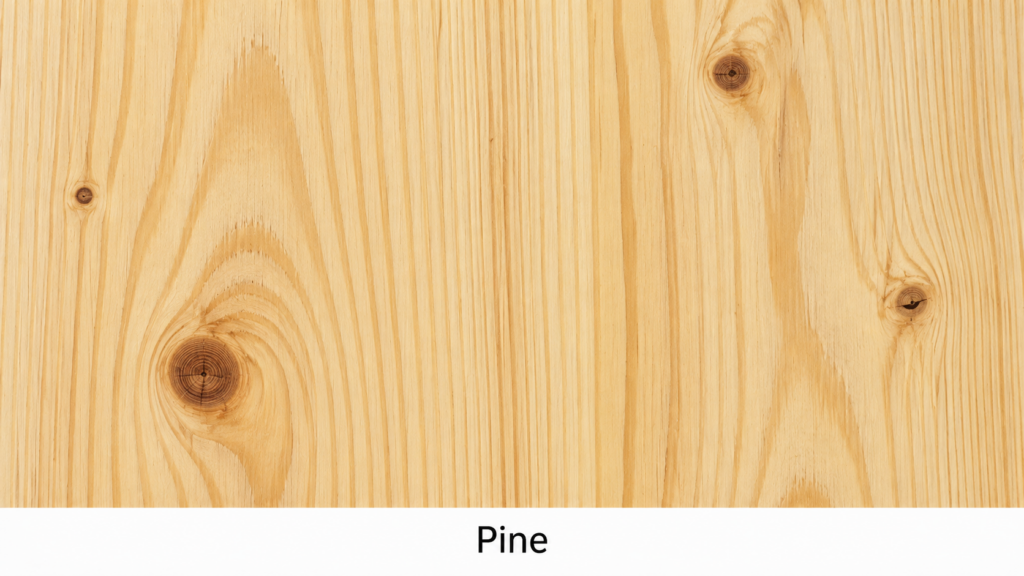
Pine
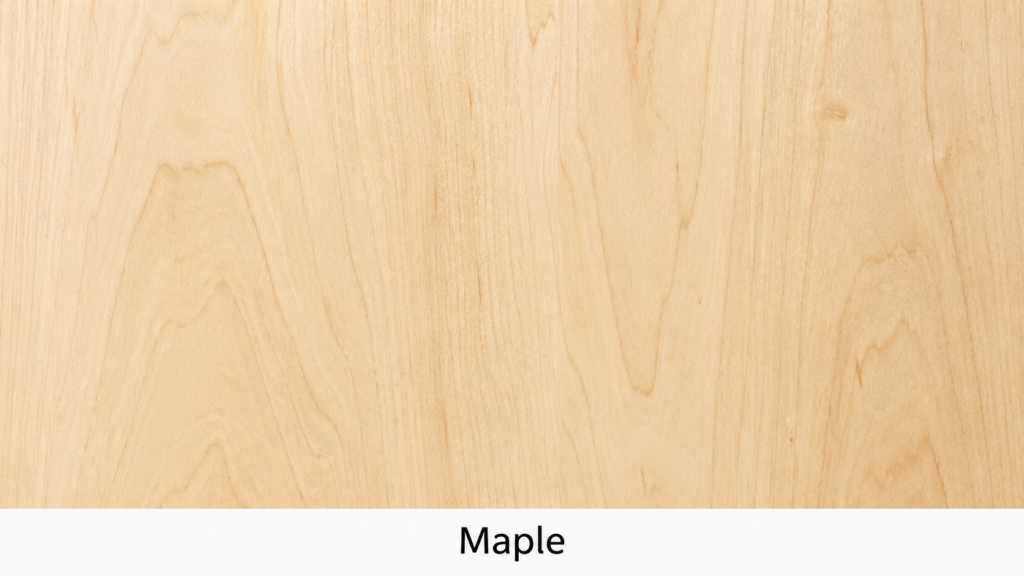
Maple
Knotty Alder
Hickory
Cherry
Birch
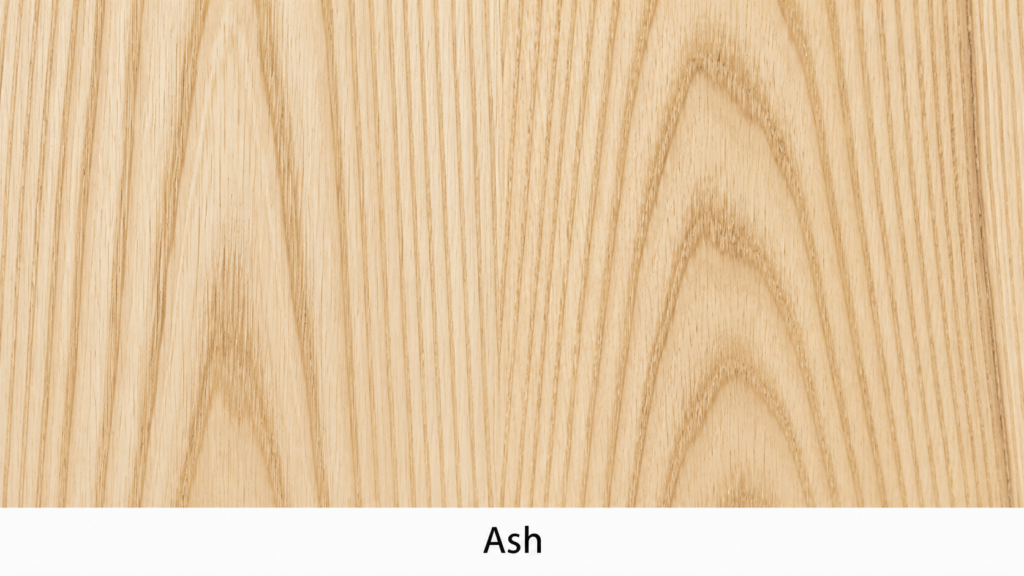
Ash
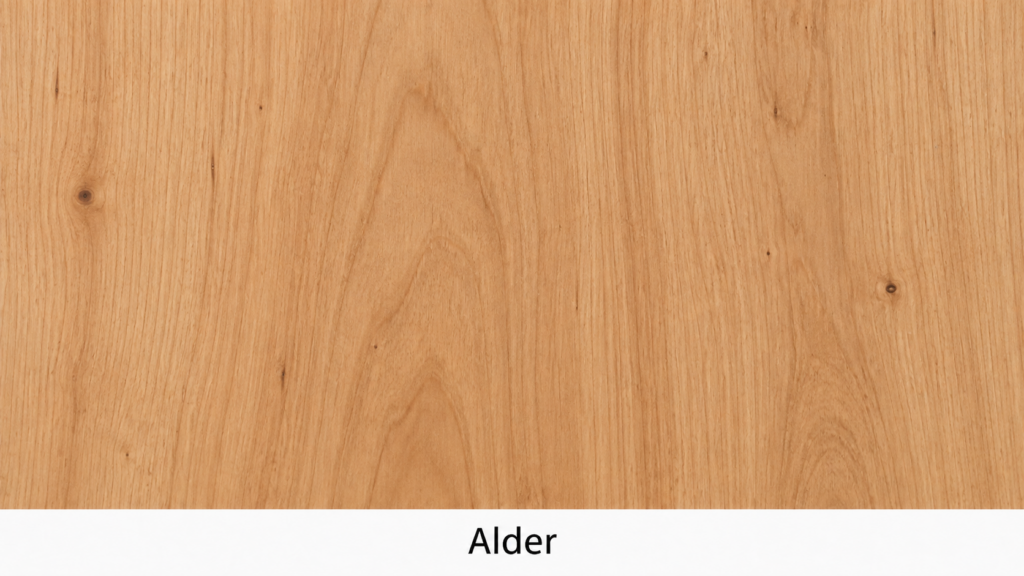
Alder
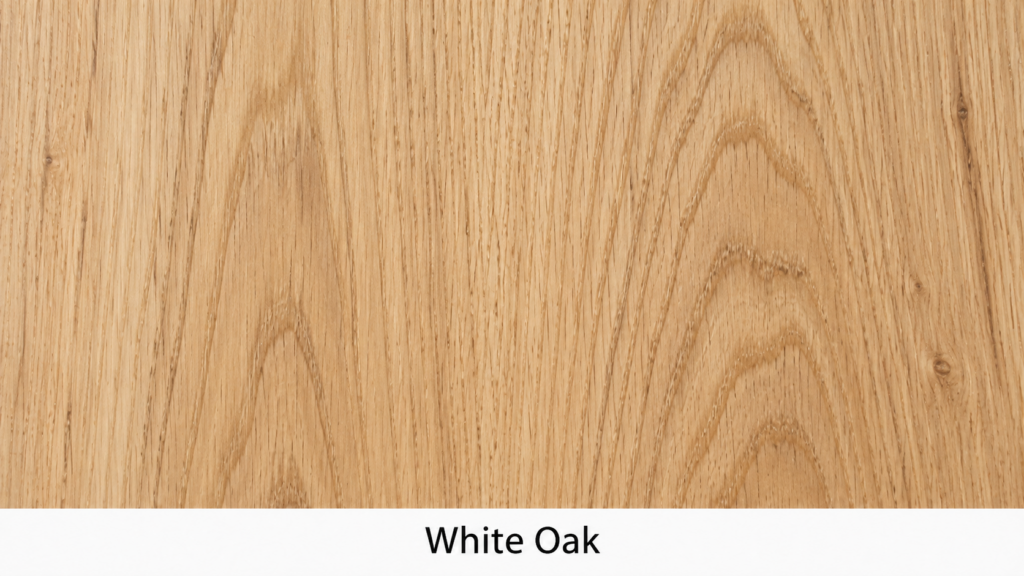
White Oak
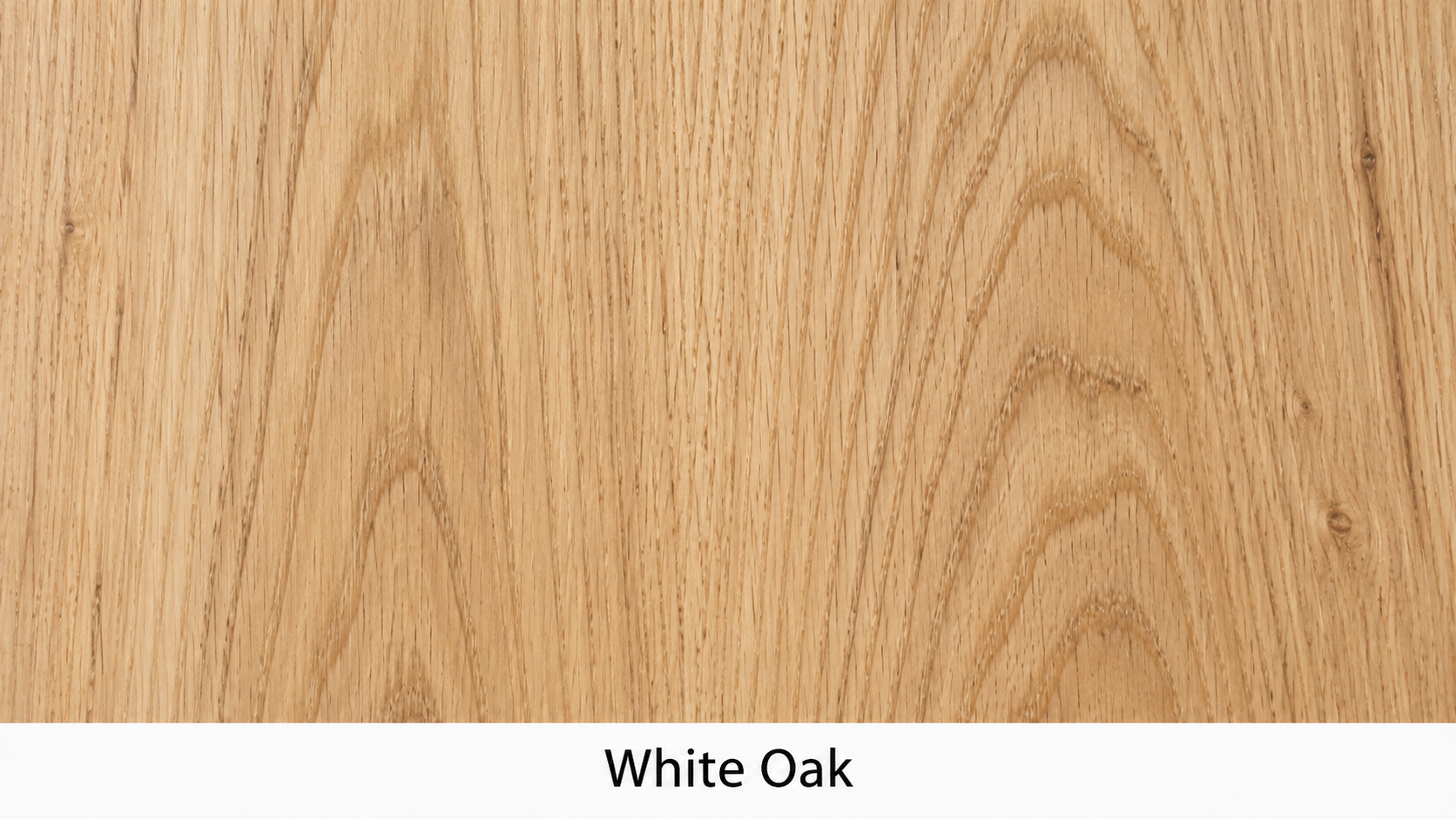
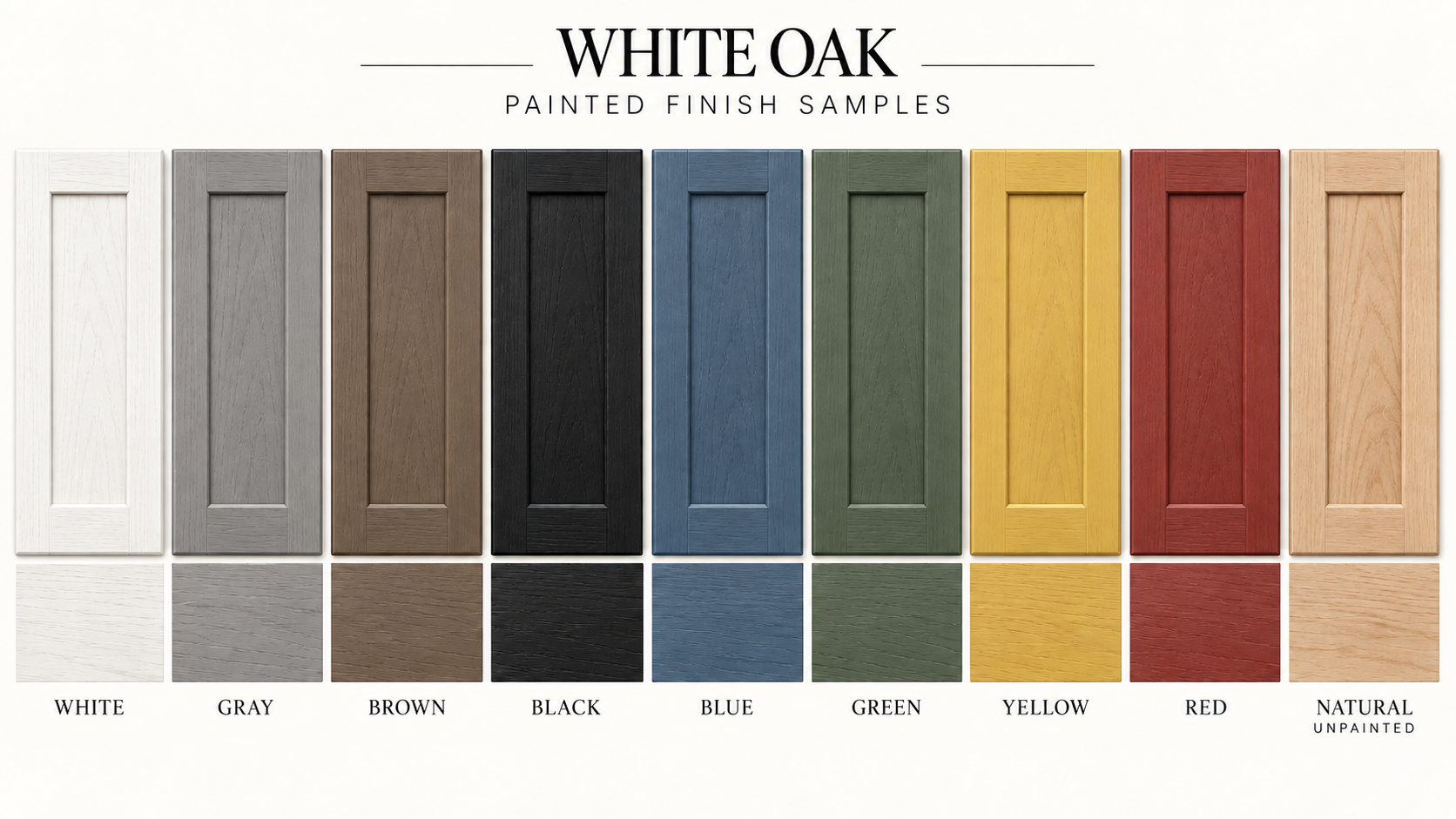
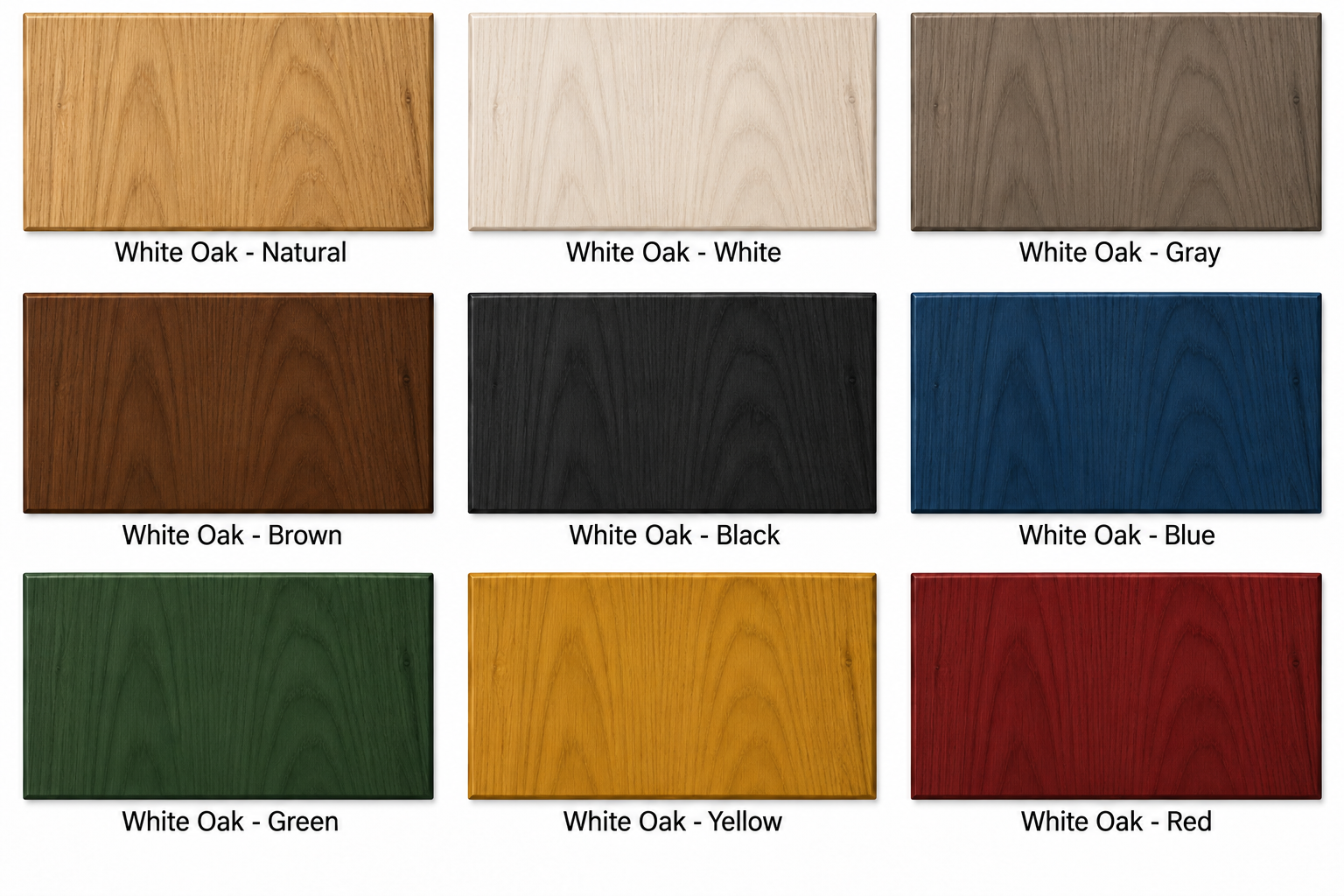
WOOD CHARACTER White Oak combines a warm natural color with a strong architectural grain, making it one of the most adaptable woods for premium cabinetry. It can feel distinctly modern in a pale natural finish or more traditional when stained to a deeper brown.
GRAIN PATTERN Its open grain is clearly visible, with straight lines and cathedral patterns depending on the cut. Quarter-sawn material may display distinctive ray fleck, adding another layer of visual texture without relying on knots.
FINISH & DESIGN RECOMMENDATIONS Especially effective with clear matte finishes, warm natural stains, wire-brushed textures, and subtle cerused treatments that emphasize the grain. Use rift- or quarter-sawn selections when a straighter, more consistent modern look is preferred.
CABINETRY CONSIDERATIONS A premium choice for kitchens, vanities, bars, built-ins, and statement islands. Its visible grain works particularly well when the cabinetry is intended to feel crafted and substantial.
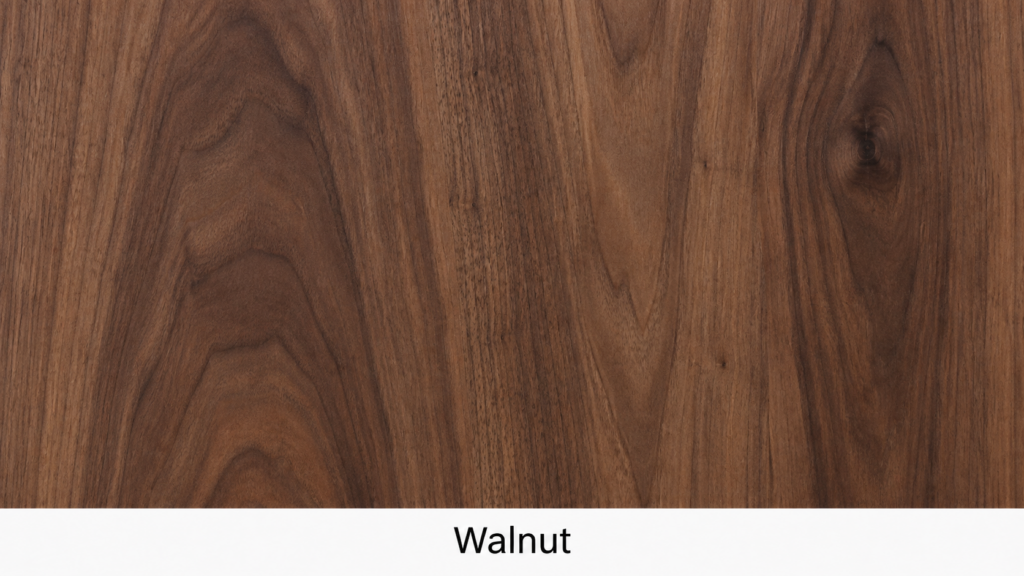
Walnut
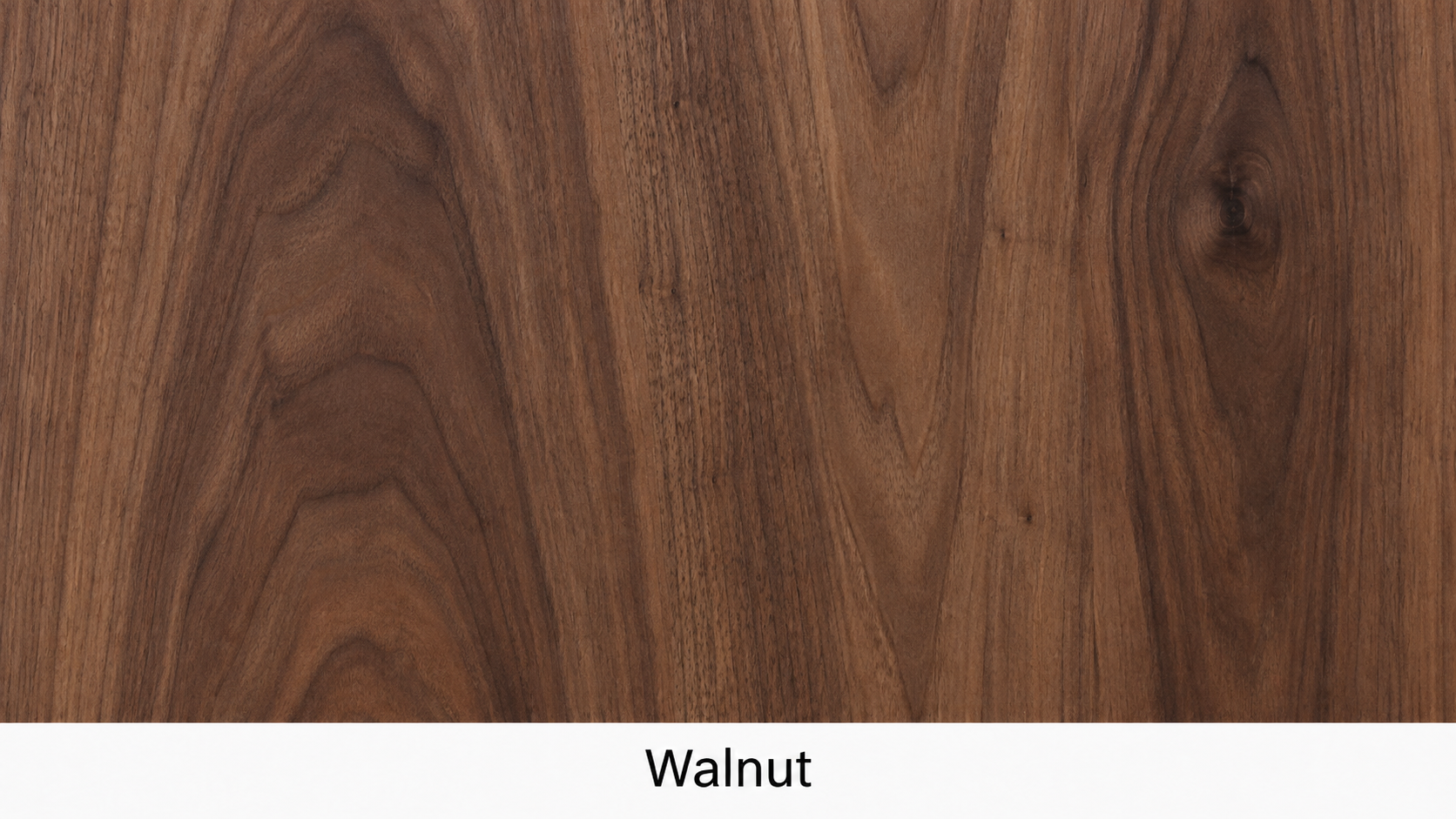
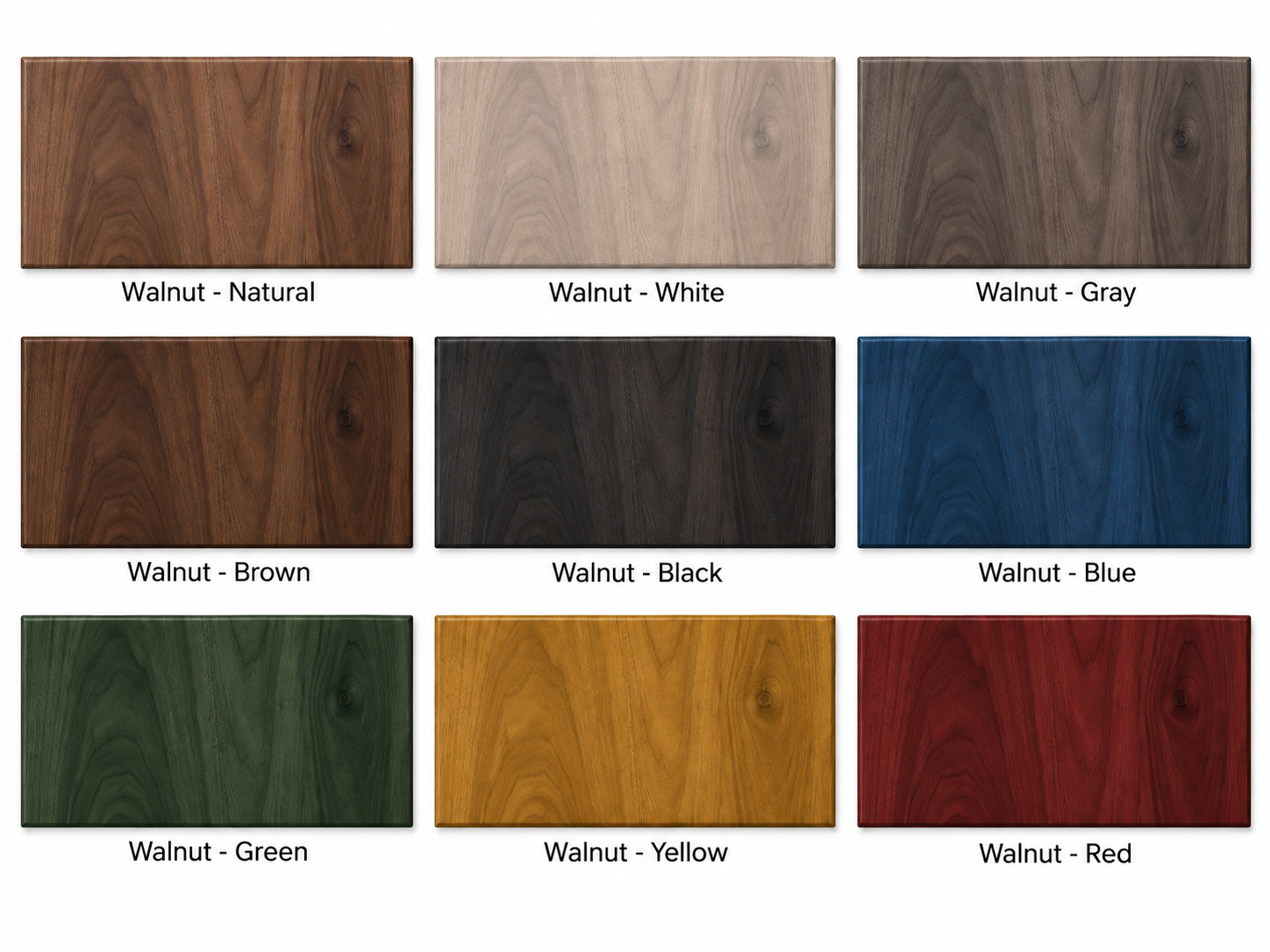
WOOD CHARACTER Walnut is a premium hardwood recognized for its rich brown heartwood, which can range from warm medium brown to deep chocolate. Lighter sapwood may appear naturally and can be incorporated intentionally for contrast or minimized for a more uniform luxury appearance.
GRAIN PATTERN The grain may be straight, gently wavy, or softly figured, often creating elegant flowing movement. The pattern is usually sophisticated rather than coarse, giving walnut visual depth without the strong open pores of oak.
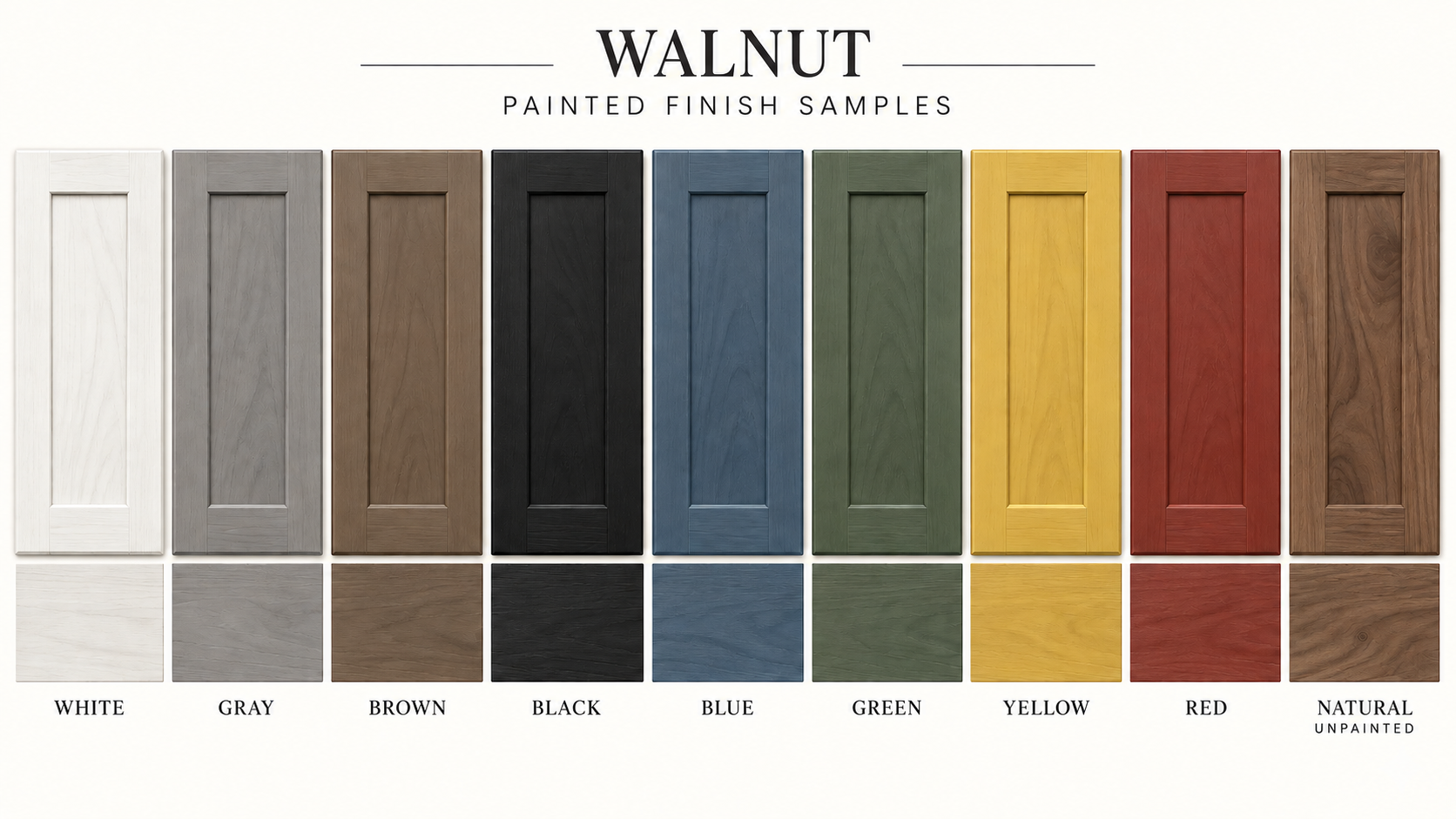
FINISH & DESIGN RECOMMENDATIONS Walnut is most striking under clear or lightly toned finishes that preserve its natural color variation. Pair it with simple door profiles, slab fronts, or restrained Shaker details when the wood itself should be the focal point.
CABINETRY CONSIDERATIONS Excellent for statement kitchens, islands, offices, bars, libraries, and specialty built-ins. Walnut can gradually lighten with prolonged light exposure, so minor color evolution over time should be expected.
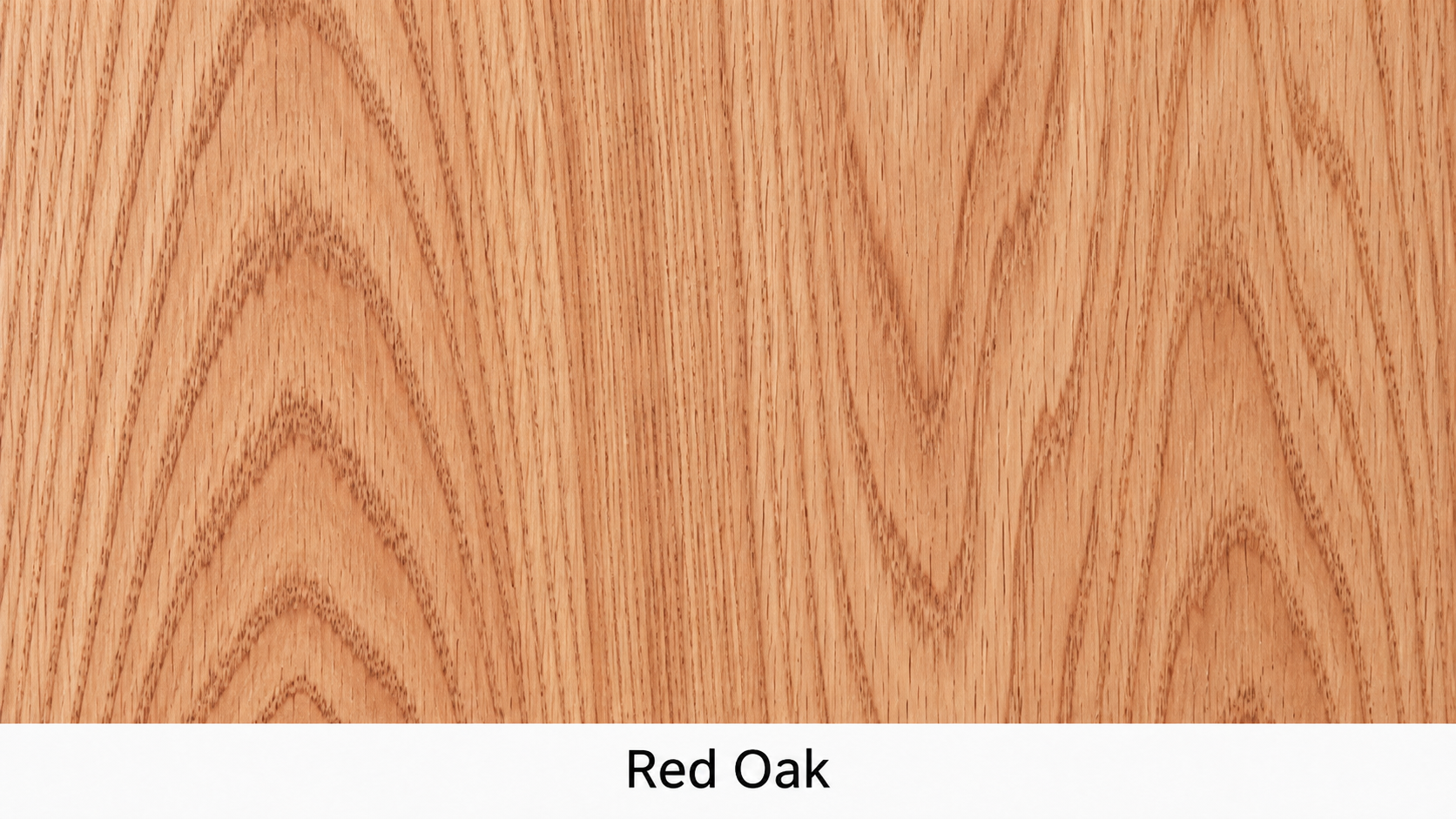
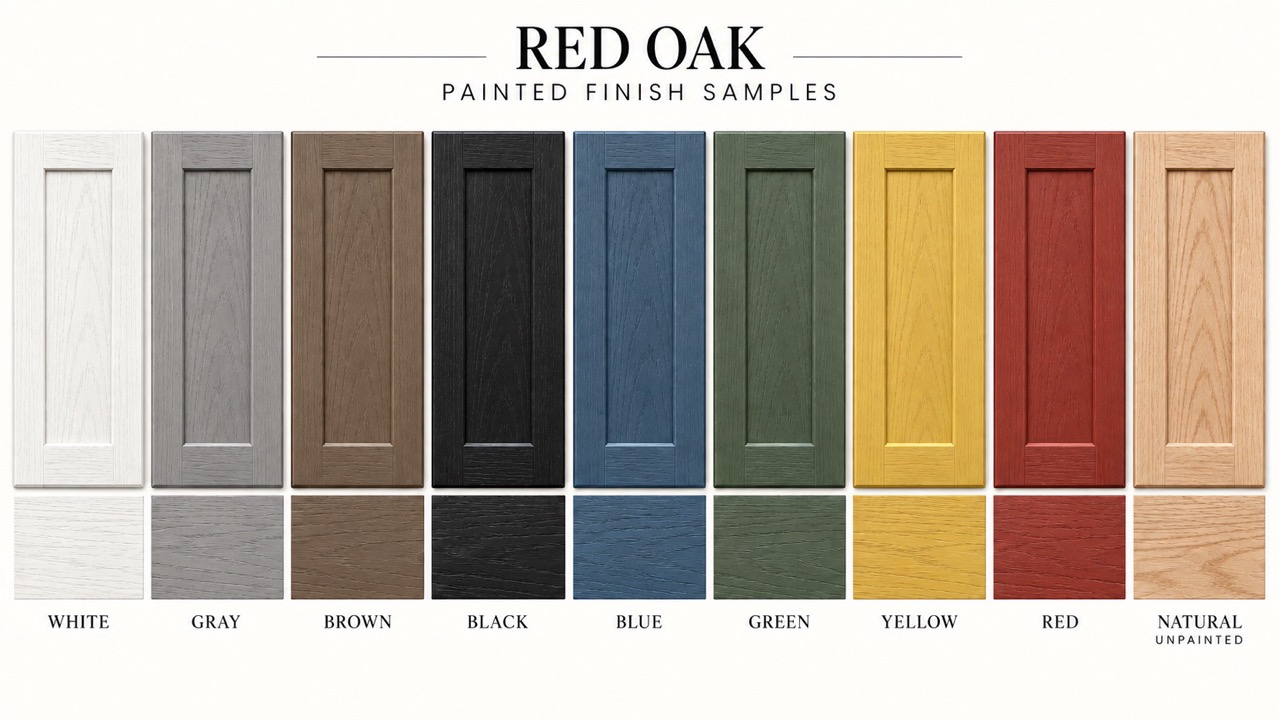
Red Oak
WOOD CHARACTER Red Oak has a warm, familiar character with tan to reddish-brown coloring and a visibly active grain. It is a practical option when the design benefits from natural texture and a classic hardwood appearance.
GRAIN PATTERN The grain is coarse and open, with strong straight lines and pronounced cathedral patterns. Its pores and growth rings are generally more visually obvious than maple, cherry, or birch.
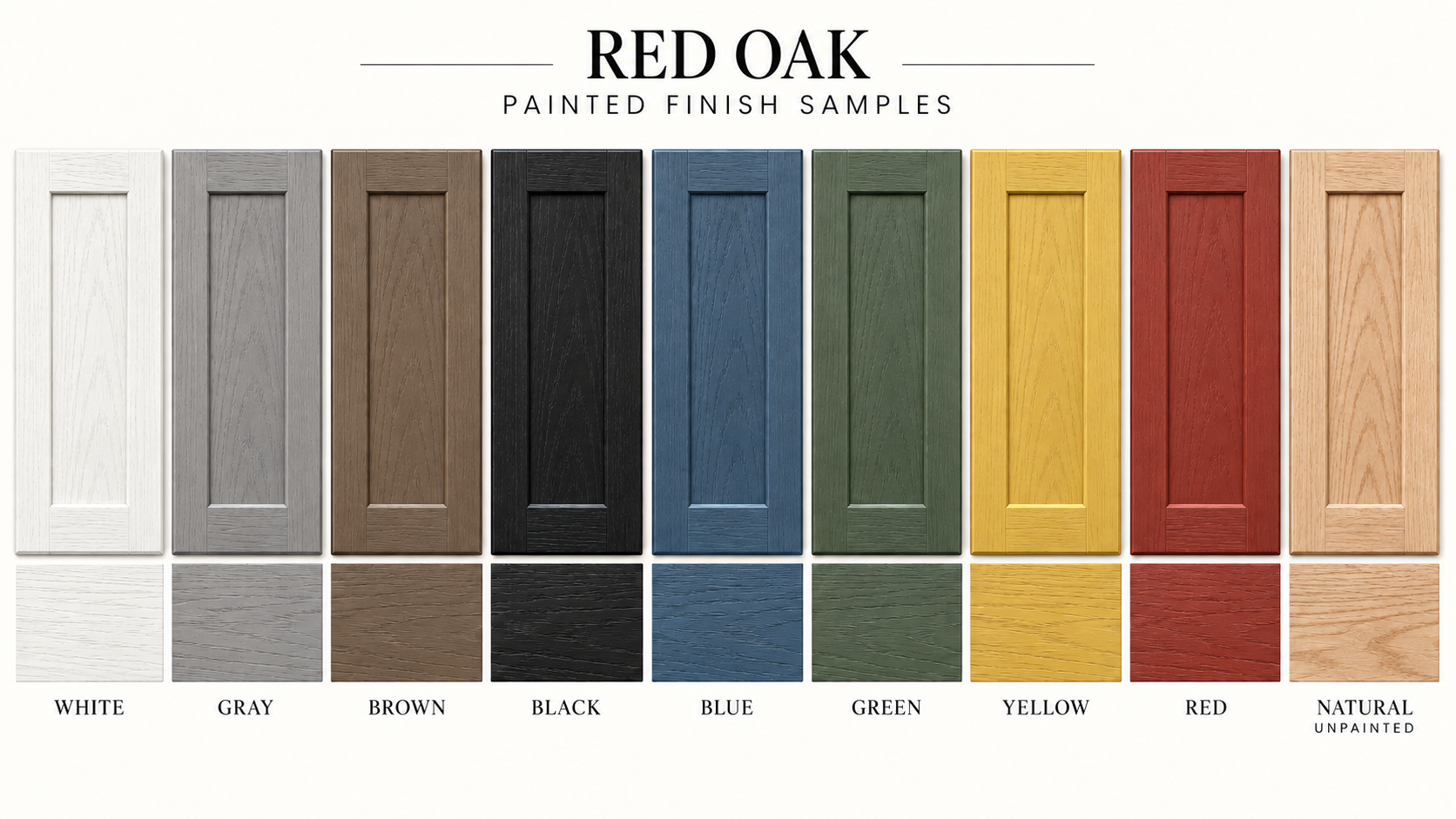
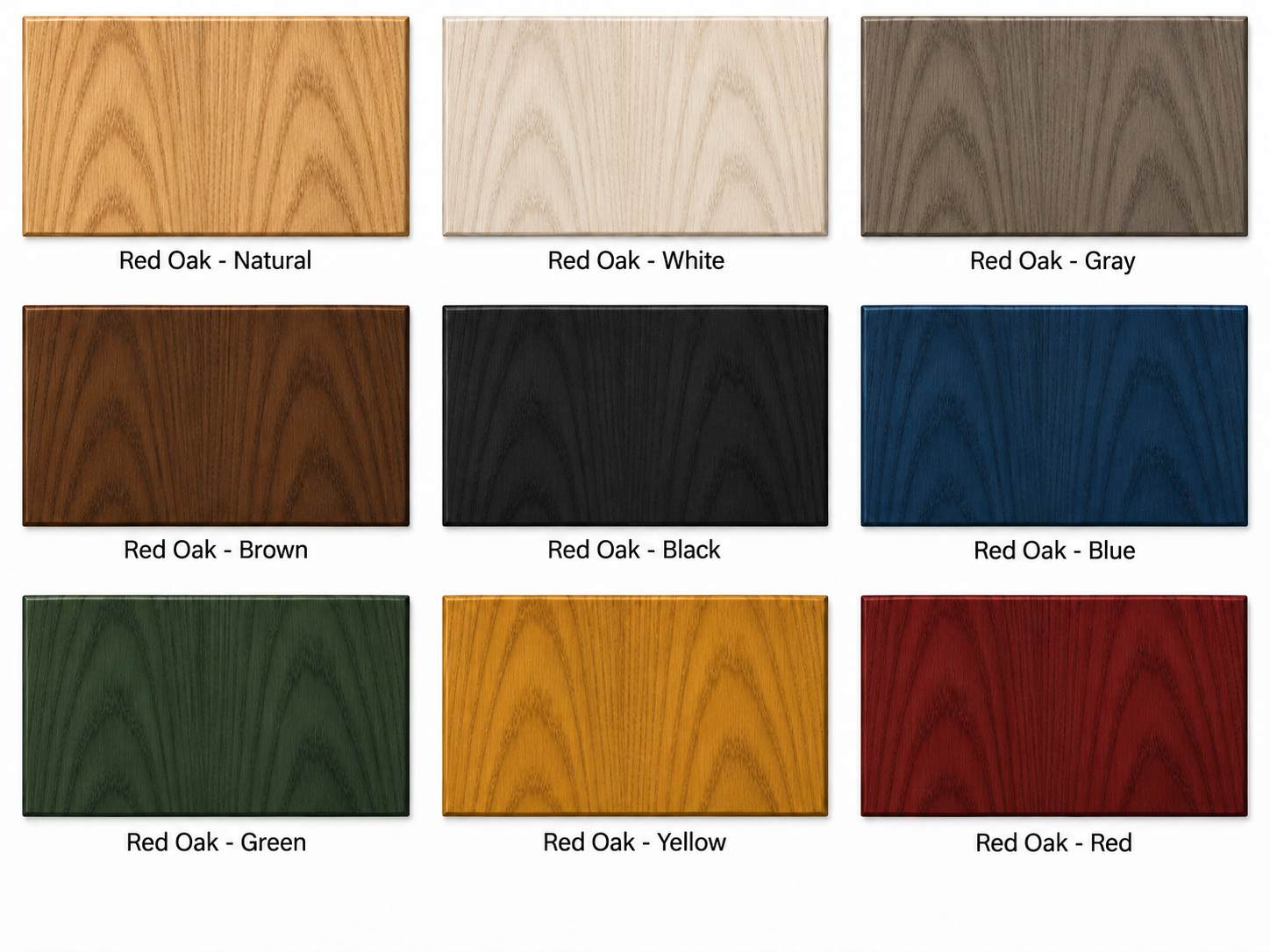
FINISH & DESIGN RECOMMENDATIONS Red Oak accepts stain readily and can be taken from light natural tones to medium and dark browns while retaining clear grain definition. It is especially well suited to Shaker, traditional, and transitional cabinetry where visible wood texture is part of the design.
CABINETRY CONSIDERATIONS Use when a bold grain is desirable. For very minimal modern interiors, select straighter-grained boards and simpler finishes so the natural pattern does not compete with the architecture.
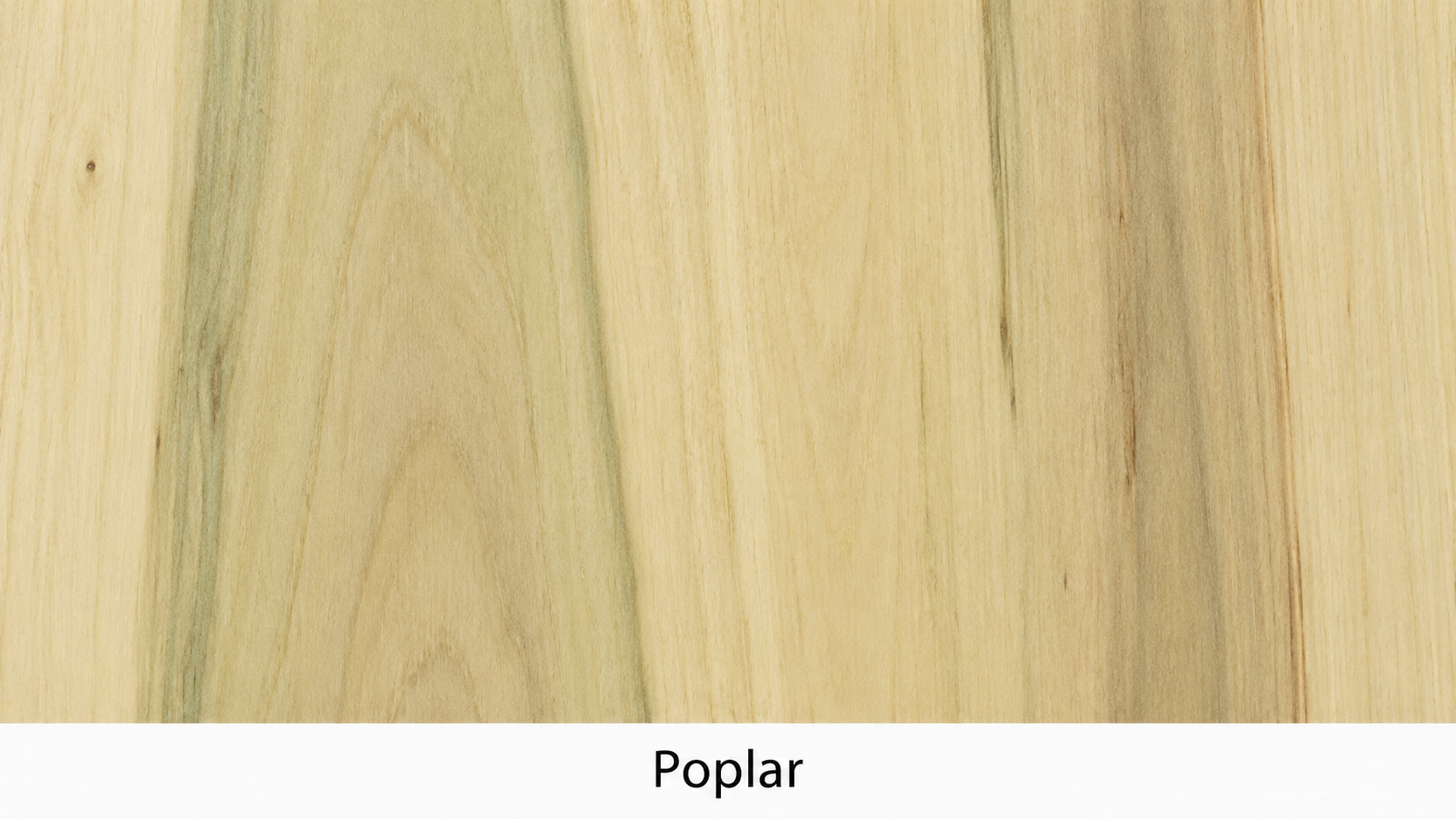
Poplar
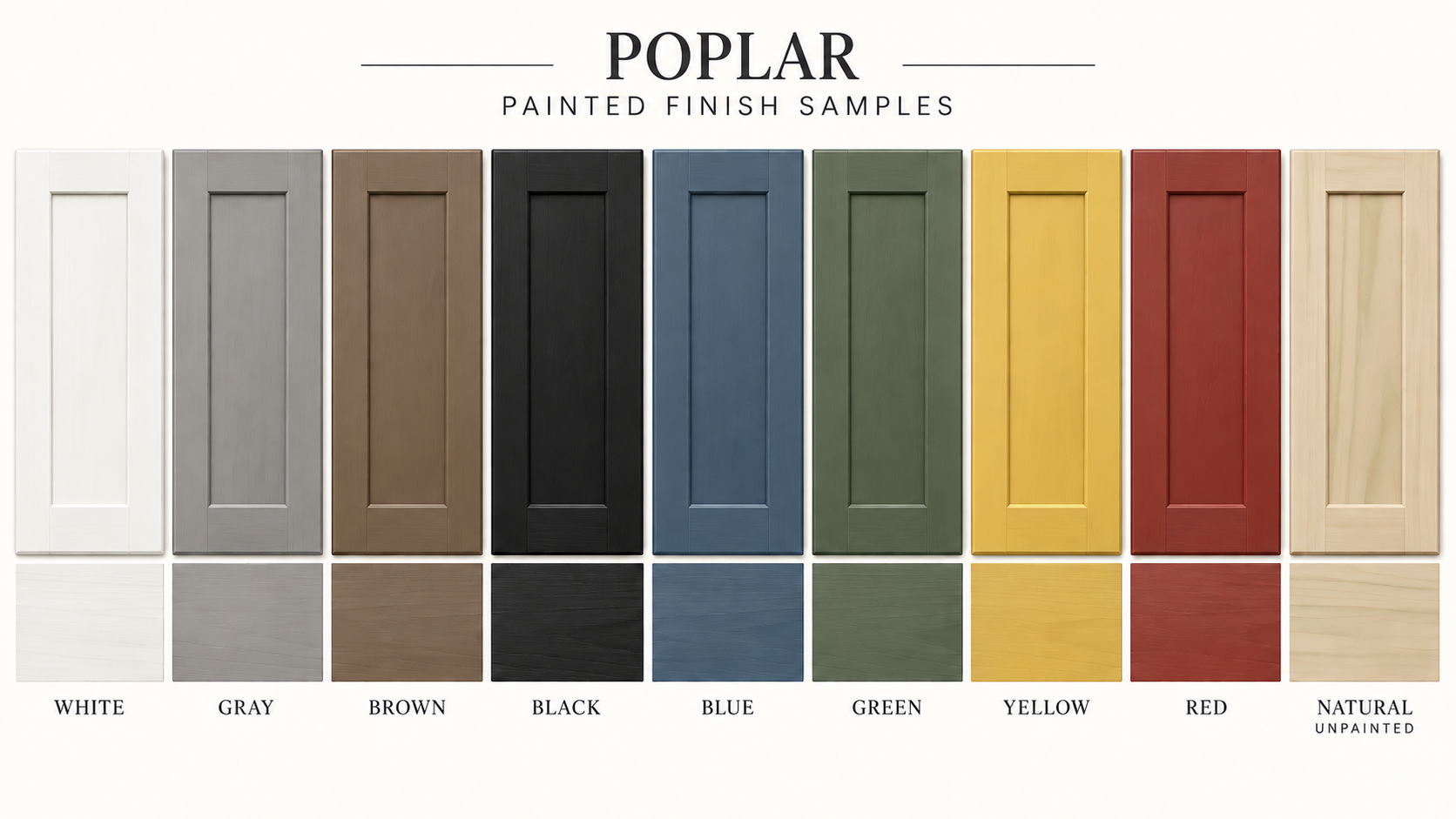
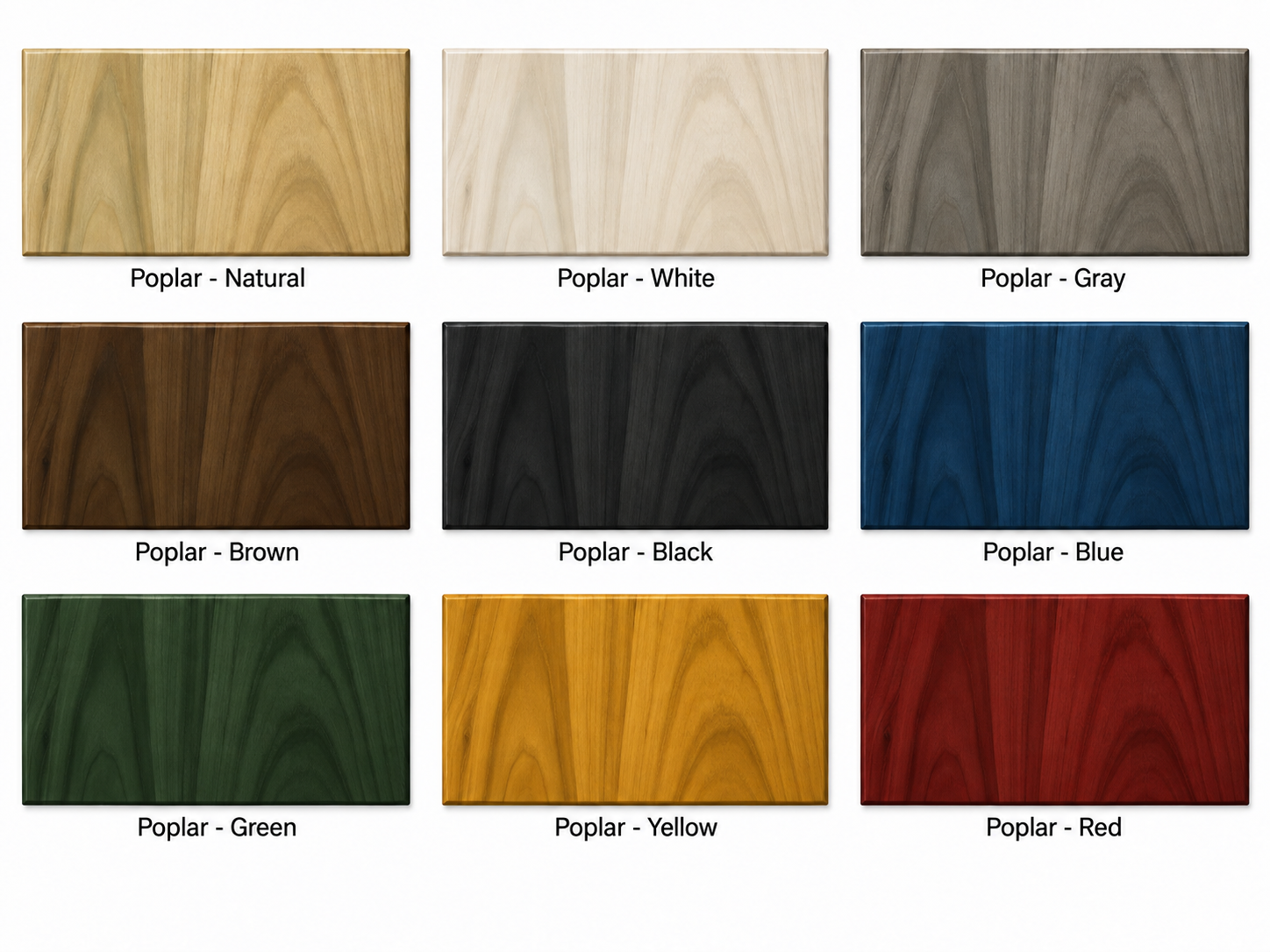
WOOD CHARACTER Poplar is a light-colored hardwood that may include cream, pale yellow, greenish, gray, or brown mineral coloration. Because the natural color can vary, it is especially valued as a smooth, economical paint-grade cabinetry wood.
GRAIN PATTERN The grain is generally straight, fine, and understated, with occasional broad color streaks that can be more noticeable than the grain itself. Natural green or purple-brown areas may mellow with age but should be expected in clear-finished material.
FINISH & DESIGN RECOMMENDATIONS One of the strongest choices for painted doors, face frames, decorative moldings, and built-ins. For clear or lightly stained work, select boards carefully when color consistency matters; darker stains can help unify natural mineral variation.
CABINETRY CONSIDERATIONS Poplar is softer than many premium cabinet hardwoods, so it can dent more easily. Use it confidently for painted cabinetry and millwork where a smooth finish is the primary objective.
Pine
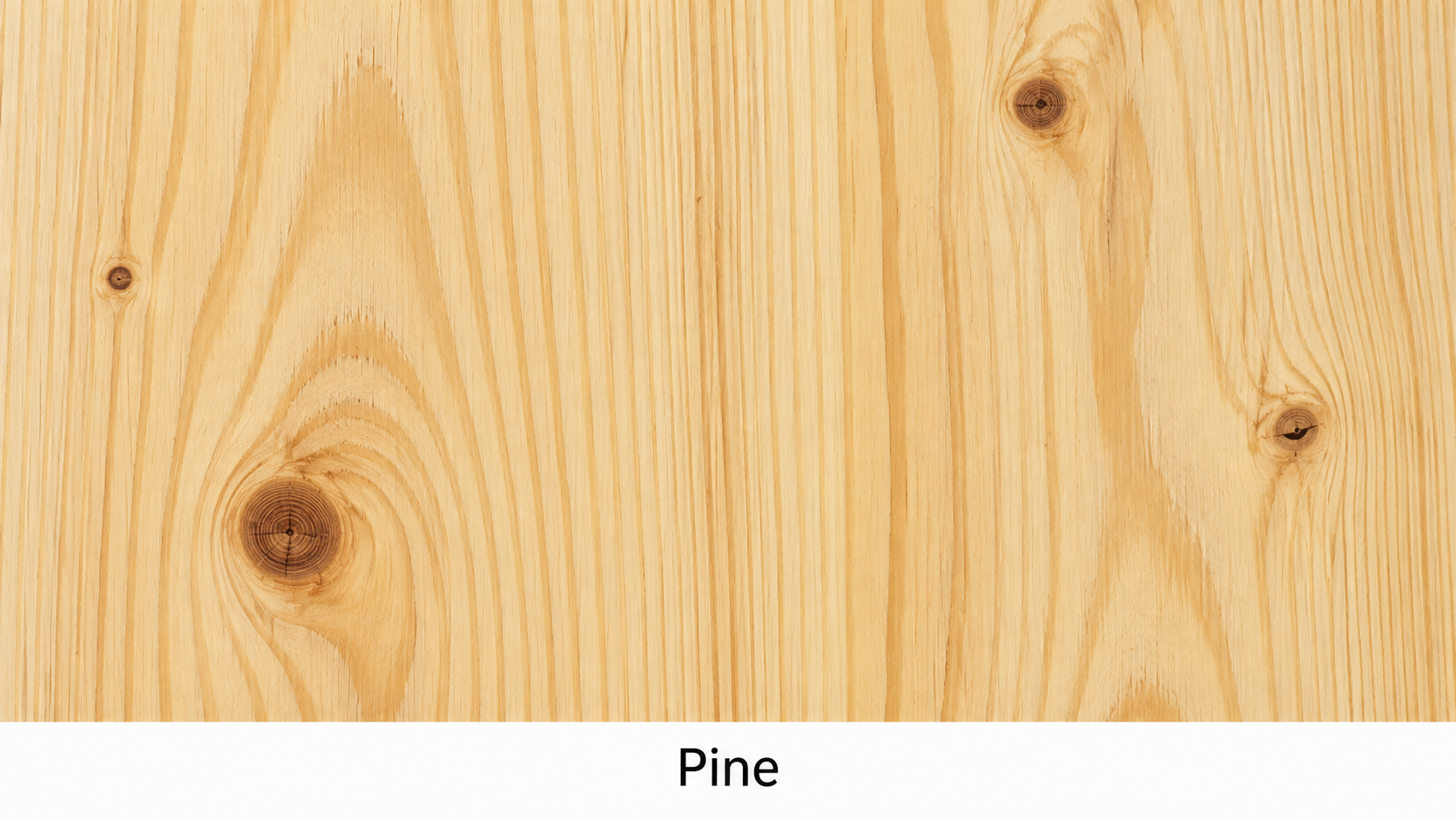
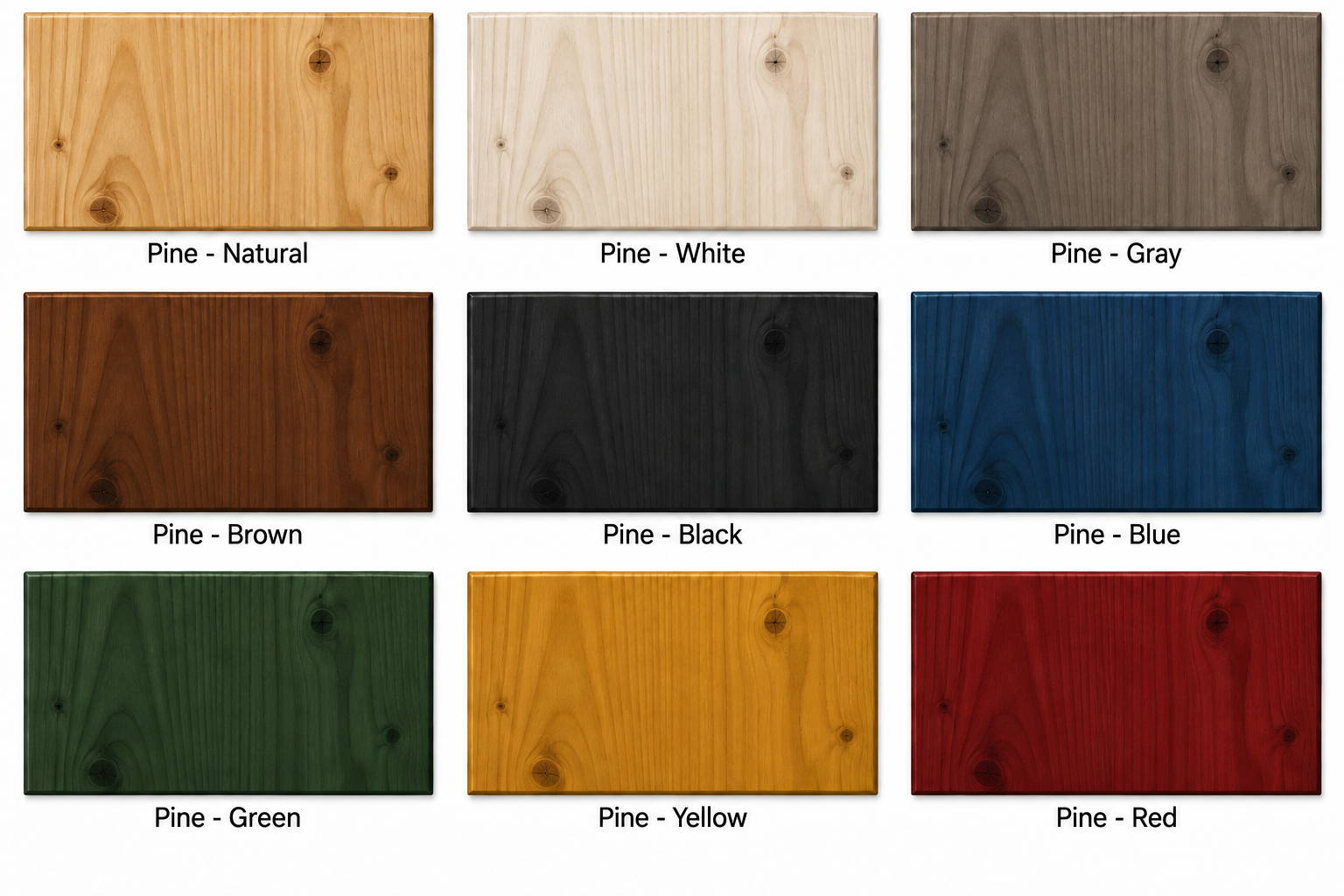
WOOD CHARACTER Pine has a warm, casual character with pale yellow to golden color, visible growth rings, and naturally occurring knots. It brings an approachable, handcrafted feel that works particularly well in relaxed or intentionally rustic interiors.
GRAIN PATTERN The grain is easy to see, with clear earlywood and latewood bands that create long lines and sweeping cathedral patterns. Knots can range from small and tight to large and highly visible depending on the grade.
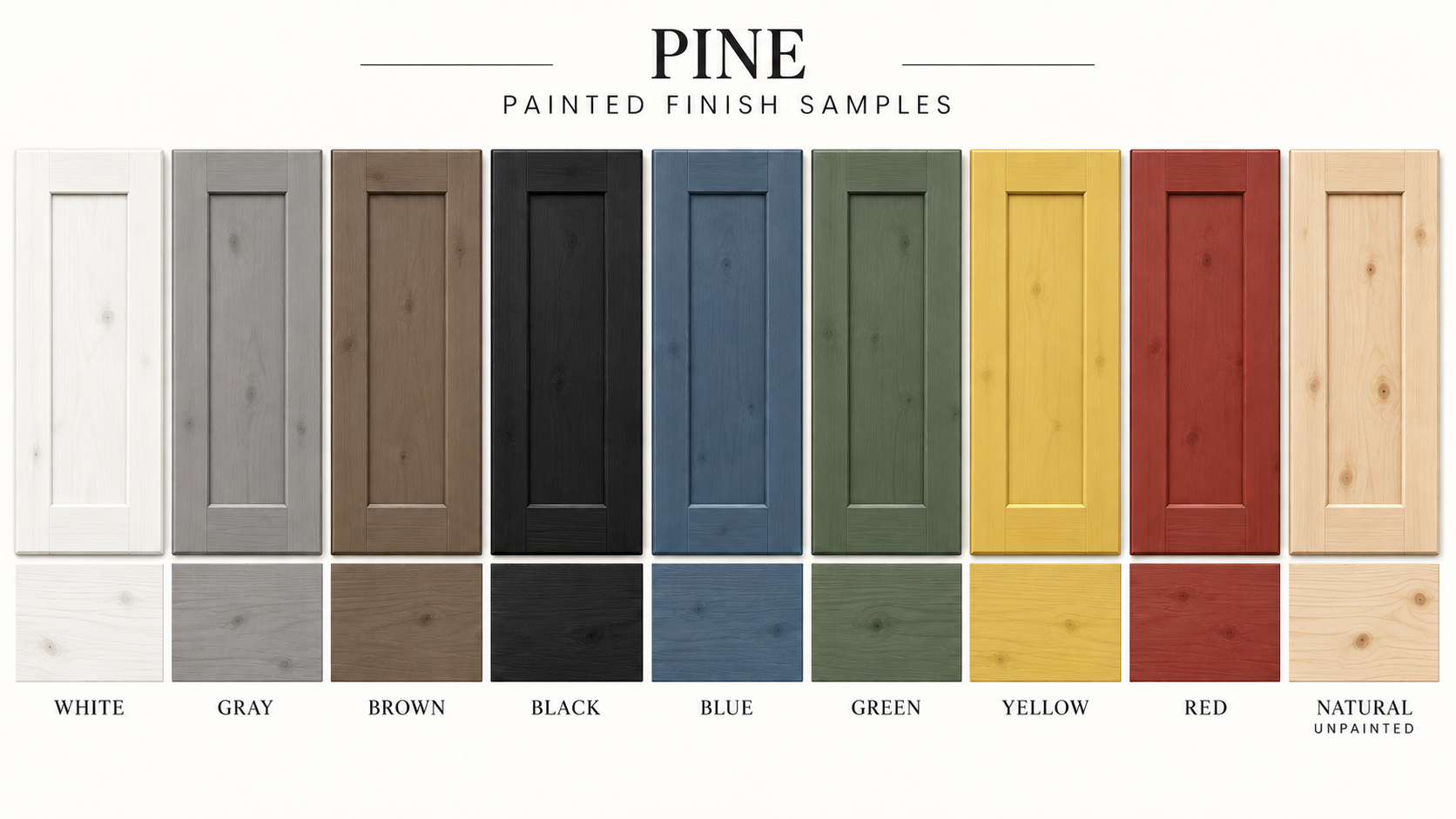
FINISH & DESIGN RECOMMENDATIONS Clear finishes, warm stains, whitewashes, and distressed finishes all suit pine. Because it can absorb stain unevenly, a conditioner is useful before staining. For painted pine, knots should be properly sealed to reduce the chance of resin or discoloration bleeding through the finish.
CABINETRY CONSIDERATIONS Pine is a softwood and will dent and wear more readily than hardwoods such as maple, oak, or hickory. Choose it when natural character and warmth are more important than a perfectly pristine surface over time.
Maple
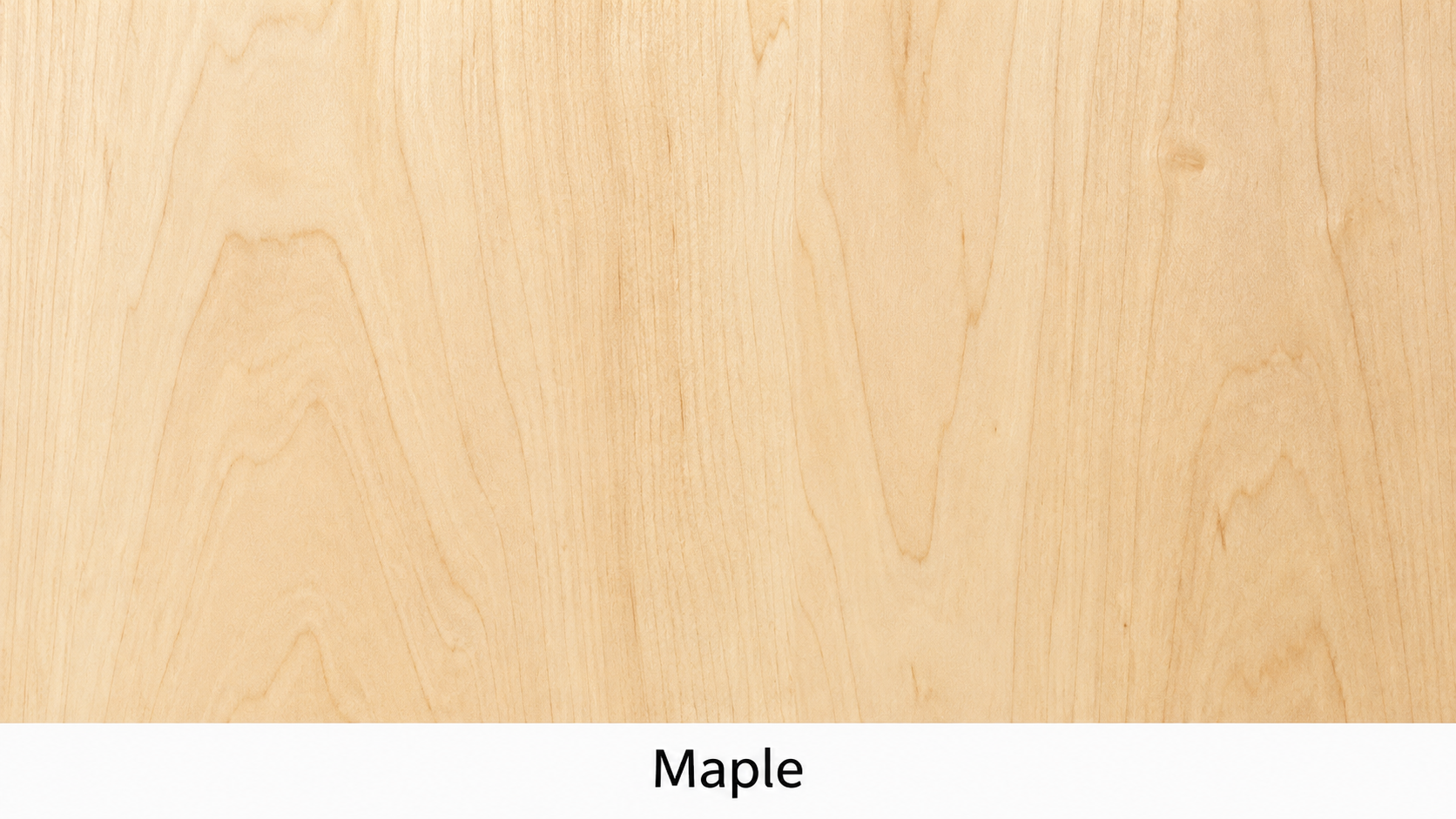
WOOD CHARACTER Maple has a clean, refined appearance that ranges from creamy white to pale tan, sometimes with soft golden or reddish undertones. Its restrained character makes it a versatile cabinetry wood when the design calls for a smooth, polished surface rather than dramatic grain.
GRAIN PATTERN The grain is generally fine, tight, and even, often running straight with occasional soft waves, curls, or subtle figuring. Because the pores are small, maple reads visually smoother than oak, ash, or hickory.
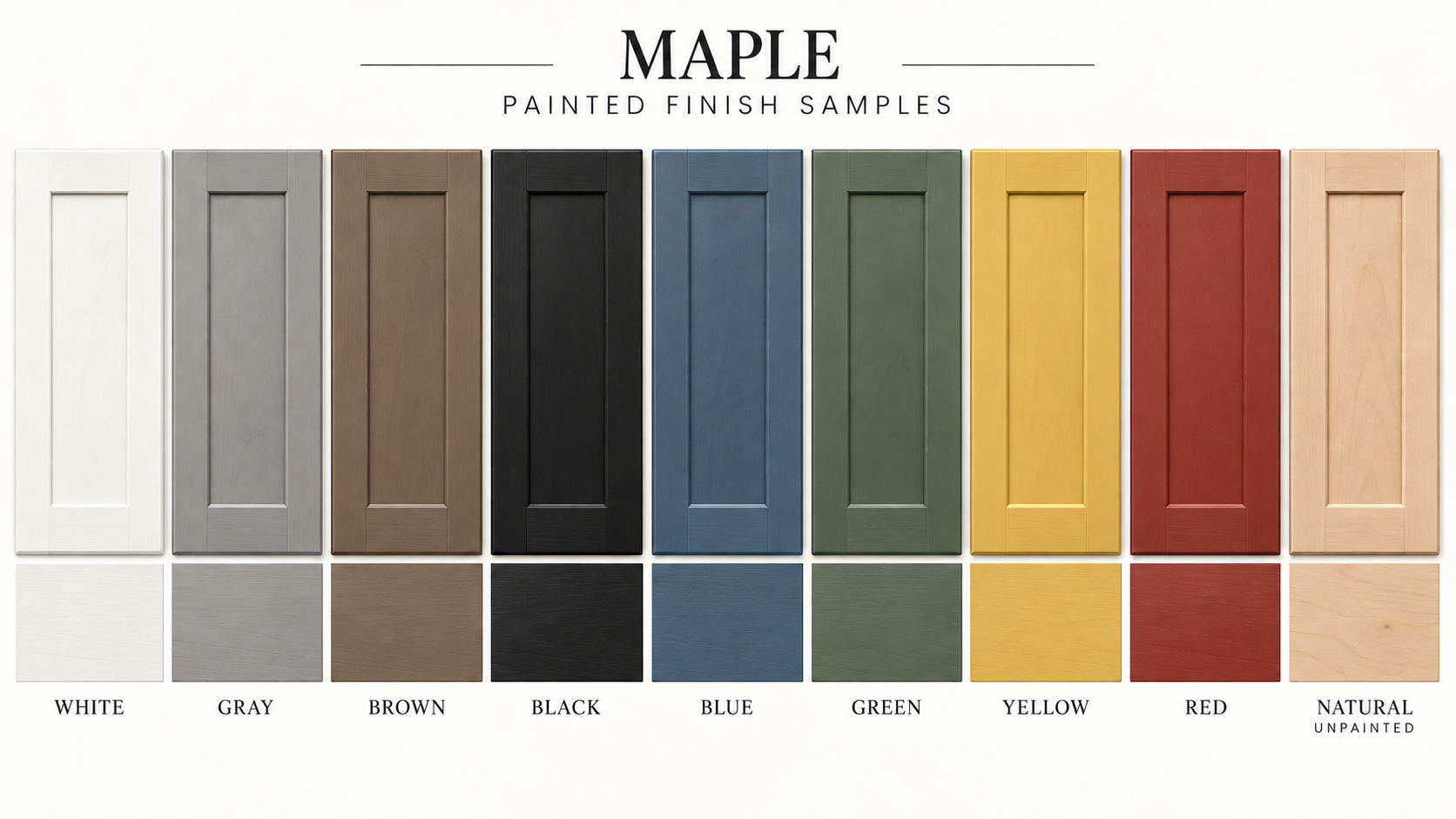
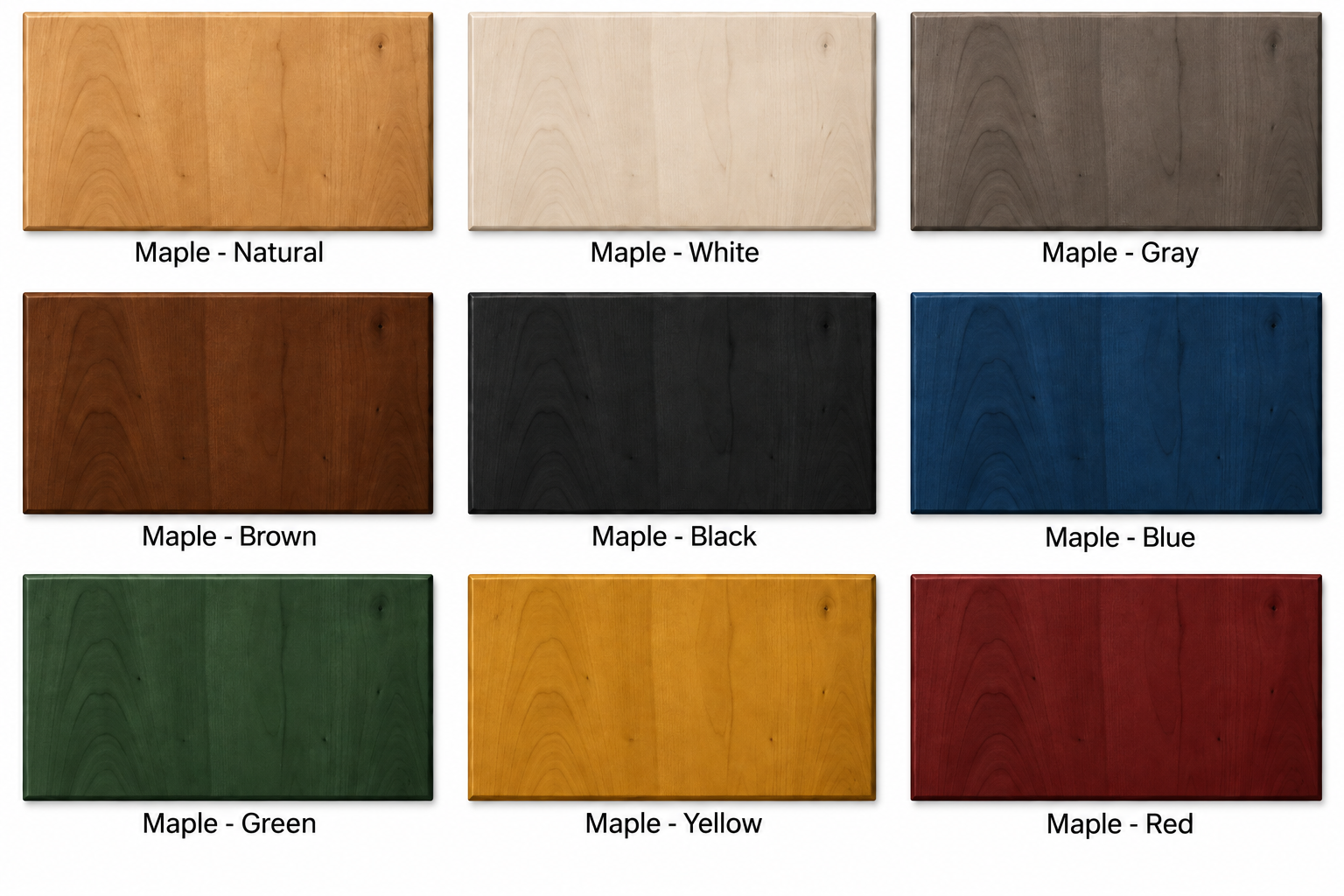
FINISH & DESIGN RECOMMENDATIONS Excellent for clean Shaker doors, slab-front cabinetry, painted finishes, and light natural finishes. Clear or very light finishes preserve maple’s quiet grain. Darker stains can absorb unevenly, so a toner, dye, or pre-stain system is often preferable when a uniform dark color is desired.
CABINETRY CONSIDERATIONS A strong all-around choice for kitchens, bathrooms, offices, and contemporary built-ins. Hardness varies by maple species, but cabinet-grade hard maple is highly durable for daily-use surfaces.
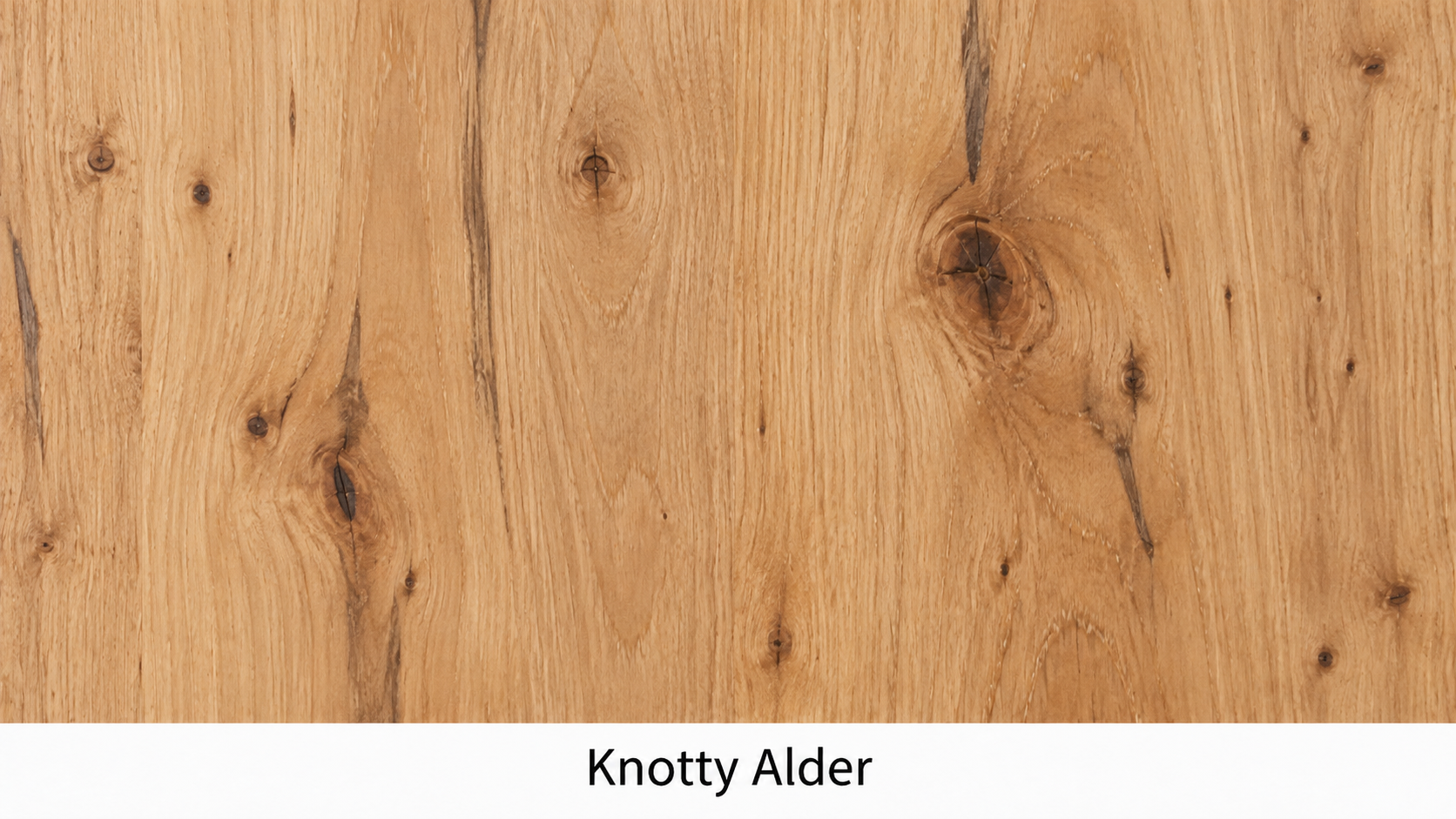
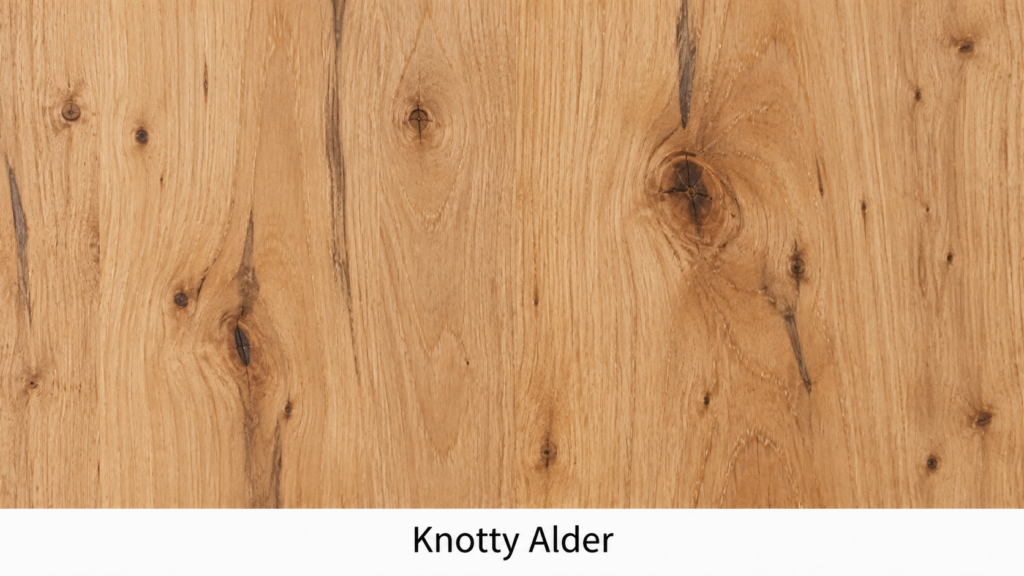
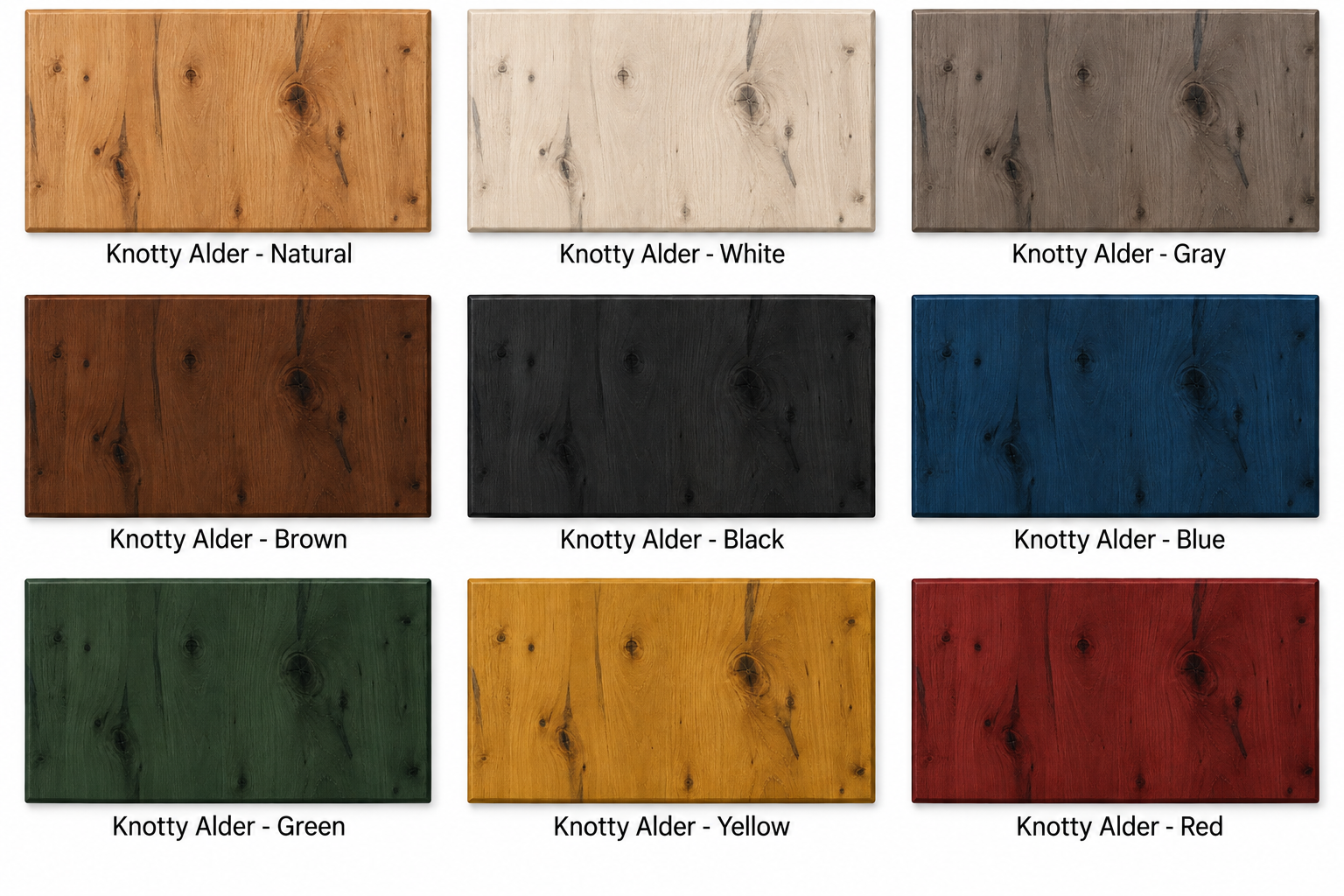
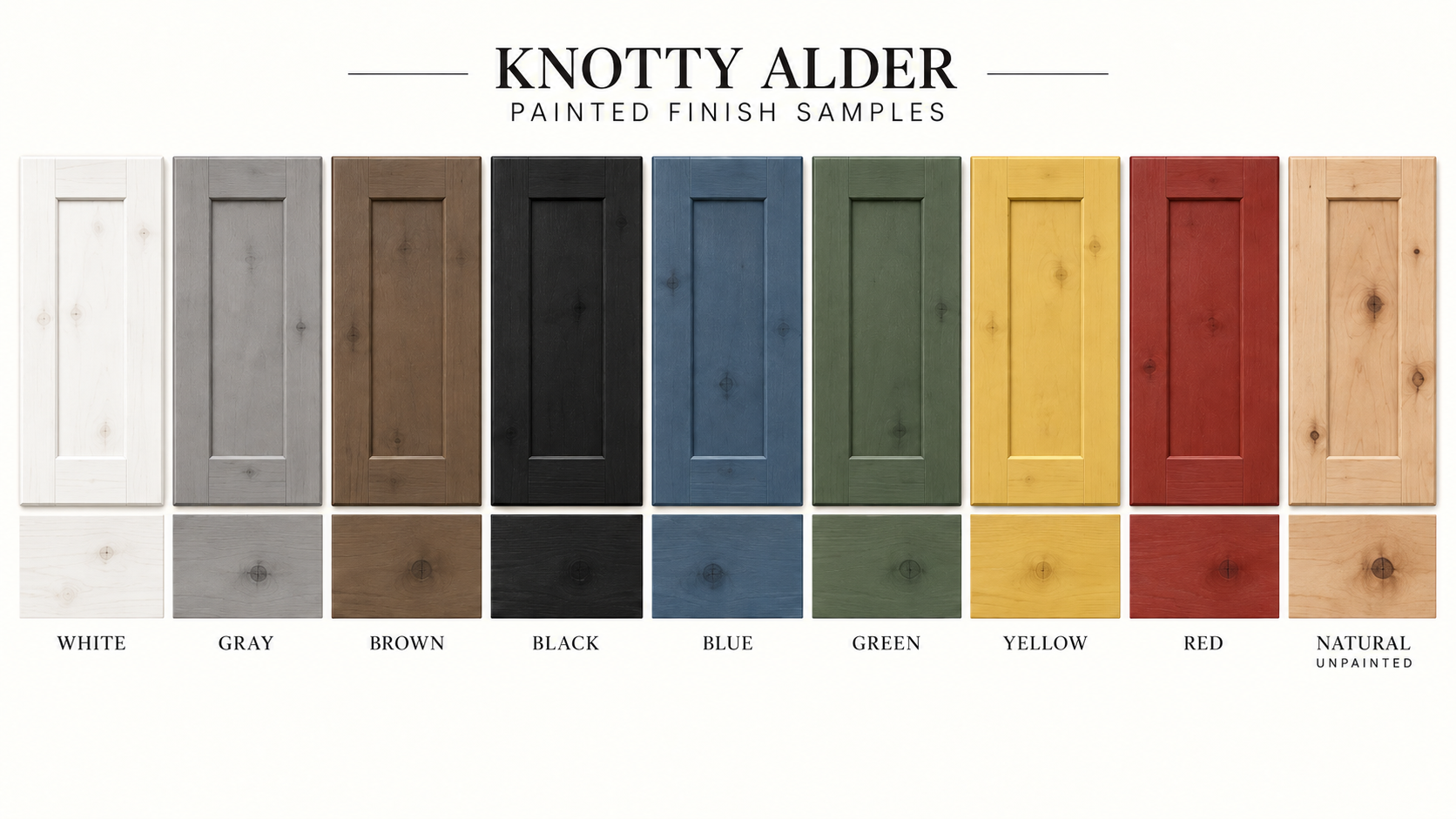
Knotty Alder
WOOD CHARACTER Knotty Alder intentionally features the knots, color variation, mineral streaks, and natural irregularities that are minimized in select-grade alder. The result is a warmer, more rustic material with visible character built into every door and panel.
GRAIN PATTERN Its underlying grain remains fairly fine and smooth, but knots, checks, darker streaks, and swirling grain around defects create much stronger visual movement. Open or filled knots may be used depending on the desired level of rusticity.
FINISH & DESIGN RECOMMENDATIONS Best with clear, honey, medium brown, or lightly distressed finishes that allow the knots to remain visible. Pair it with Shaker, raised-panel, beadboard, or traditional profiles for a deliberately crafted appearance.
CABINETRY CONSIDERATIONS Excellent for rustic kitchens, bars, mudrooms, entertainment spaces, and specialty rooms. Knot placement and size vary naturally, so clients should be comfortable with significant board-to-board variation.
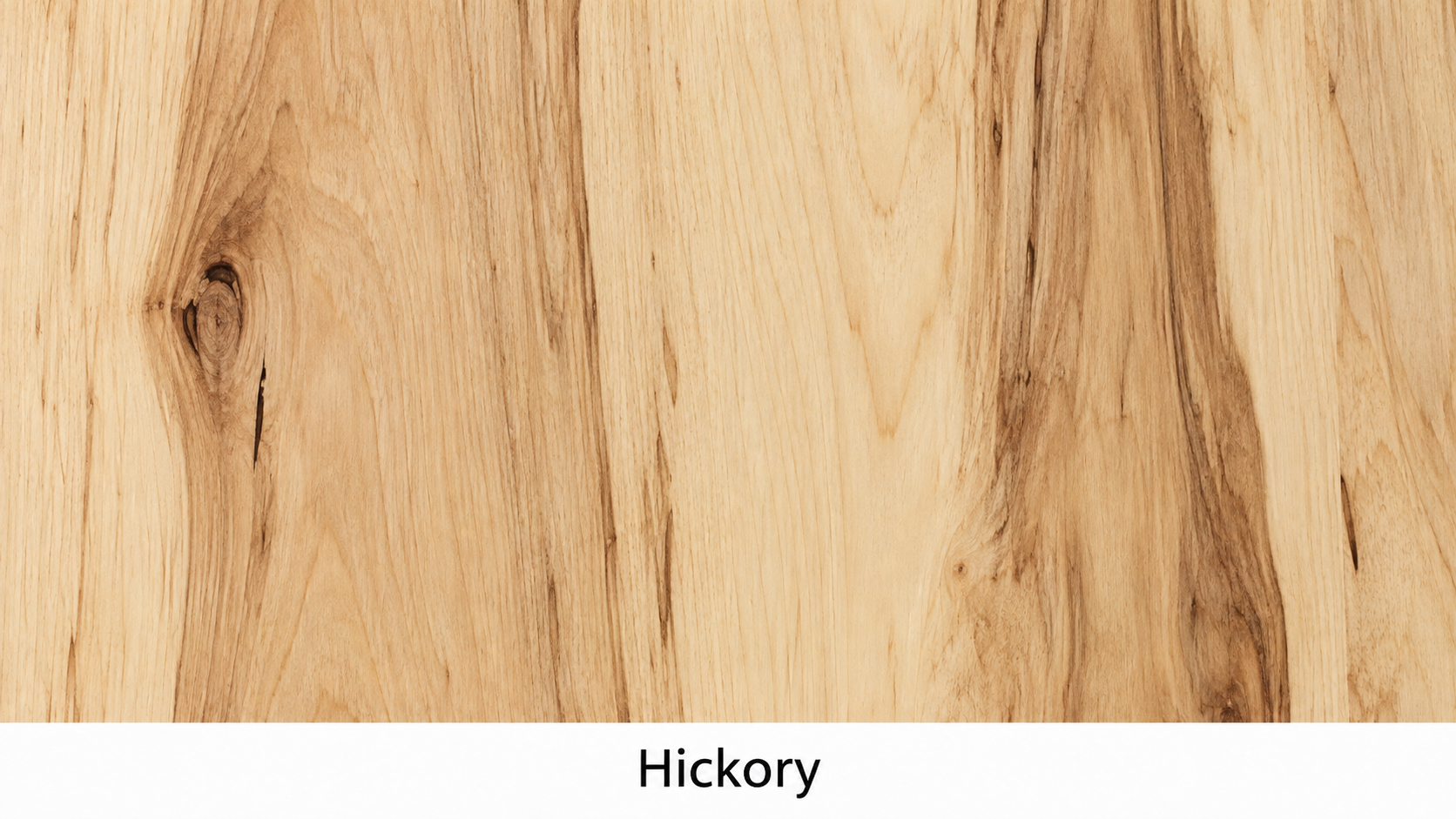
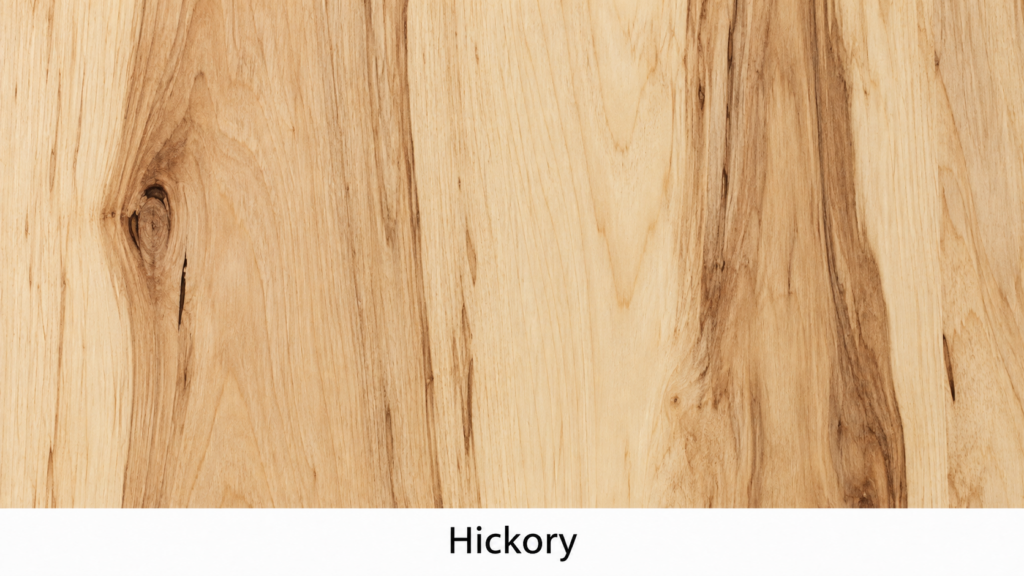
Hickory
WOOD CHARACTER Hickory is one of the most visually dramatic domestic hardwoods, often combining pale cream sapwood with medium or dark brown heartwood in the same door or panel. That natural contrast gives each piece a distinctive, highly individual character.
GRAIN PATTERN The grain is bold and varied, with strong lines, mineral streaks, occasional knots, and pronounced changes in color and figure. No two doors will look exactly alike, which is part of its appeal.
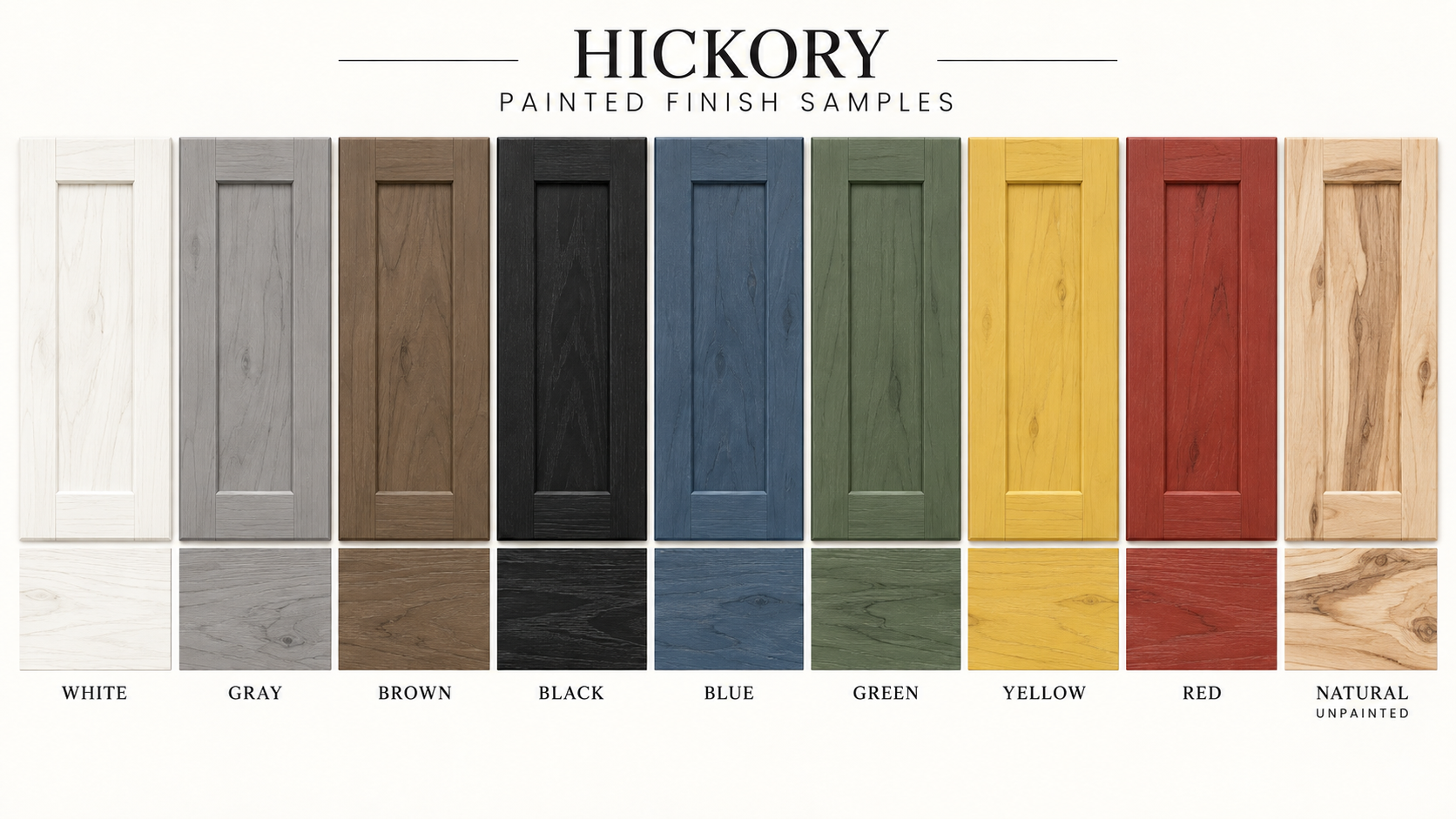
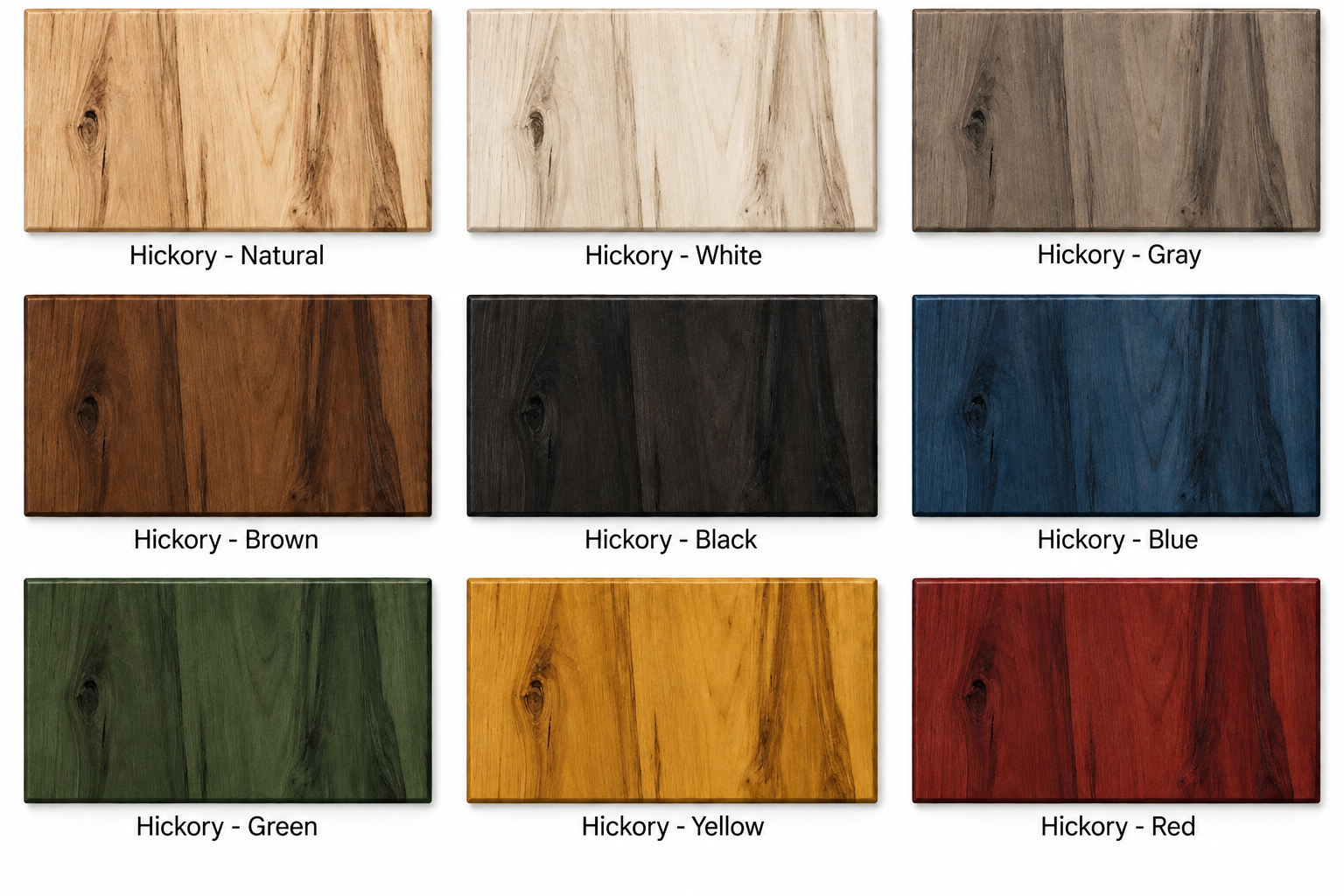
FINISH & DESIGN RECOMMENDATIONS Natural and light clear finishes are excellent when the goal is to celebrate hickory’s contrast. Medium stains can soften the color difference but may absorb unevenly across sapwood and heartwood. It pairs especially well with Shaker and rustic-inspired profiles.
CABINETRY CONSIDERATIONS A very durable choice for high-use kitchens, mudrooms, bars, and casual living spaces. Specify hickory when natural variation is desired; it is not the best choice for projects requiring tight color uniformity.
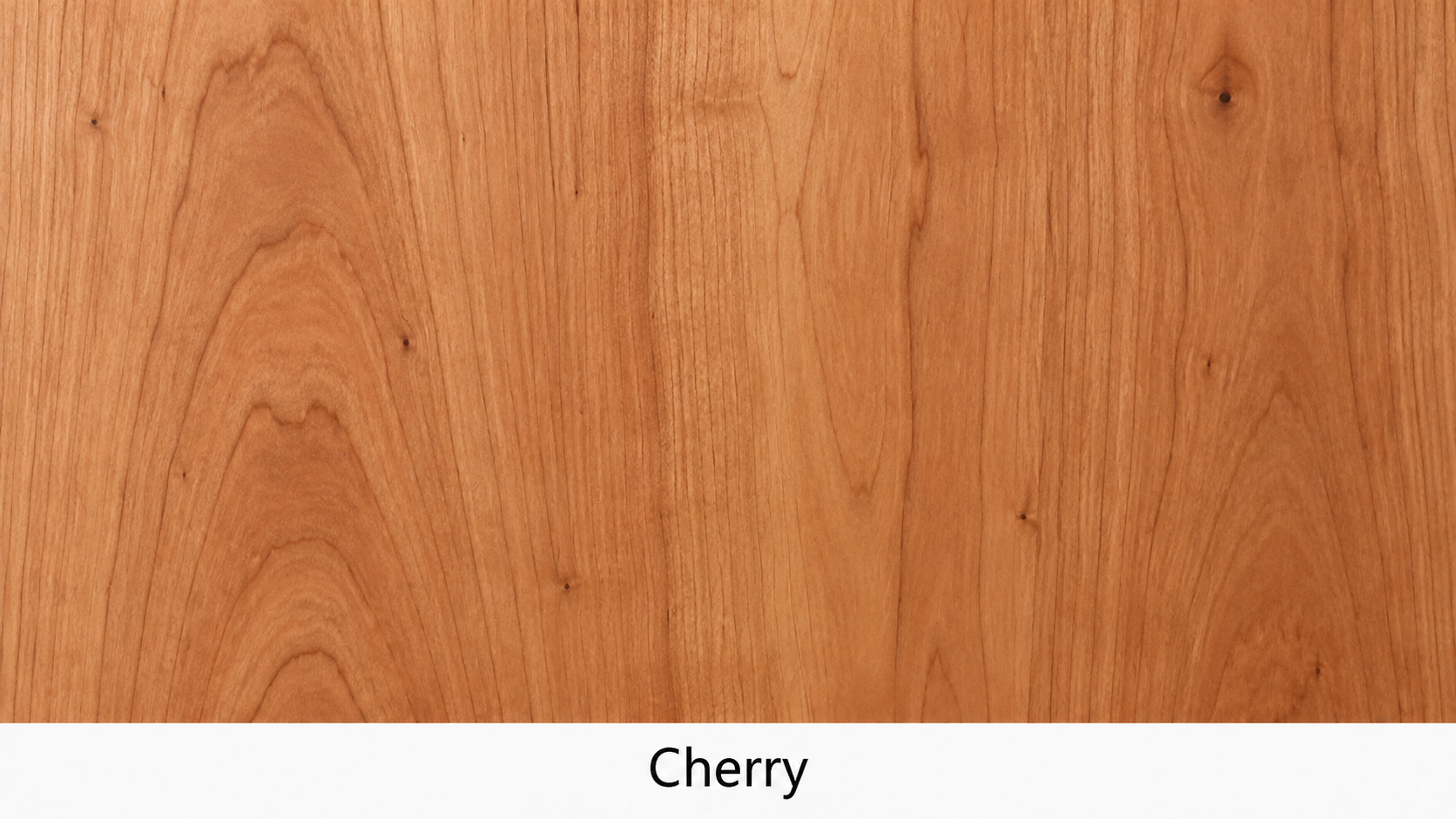
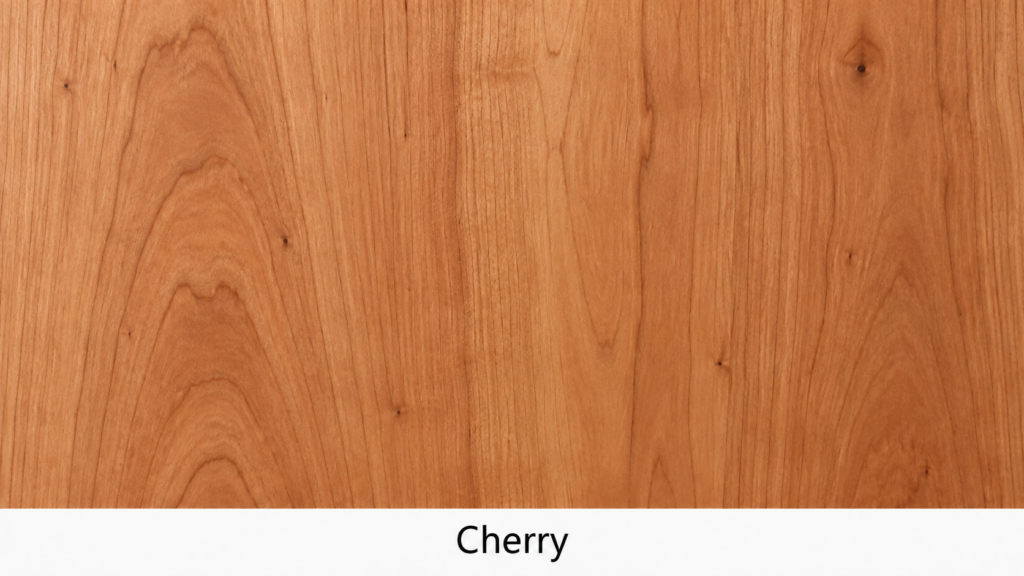
Cherry
WOOD CHARACTER Cherry is known for its warm, elegant appearance and its tendency to develop a deeper reddish-brown patina as it ages. Freshly finished cherry can begin lighter and gradually become richer with exposure to light.
GRAIN PATTERN Its grain is fine and smooth, generally straight with occasional waves, curls, small pin knots, or natural gum streaks. The surface reads refined and furniture-like rather than heavily textured.
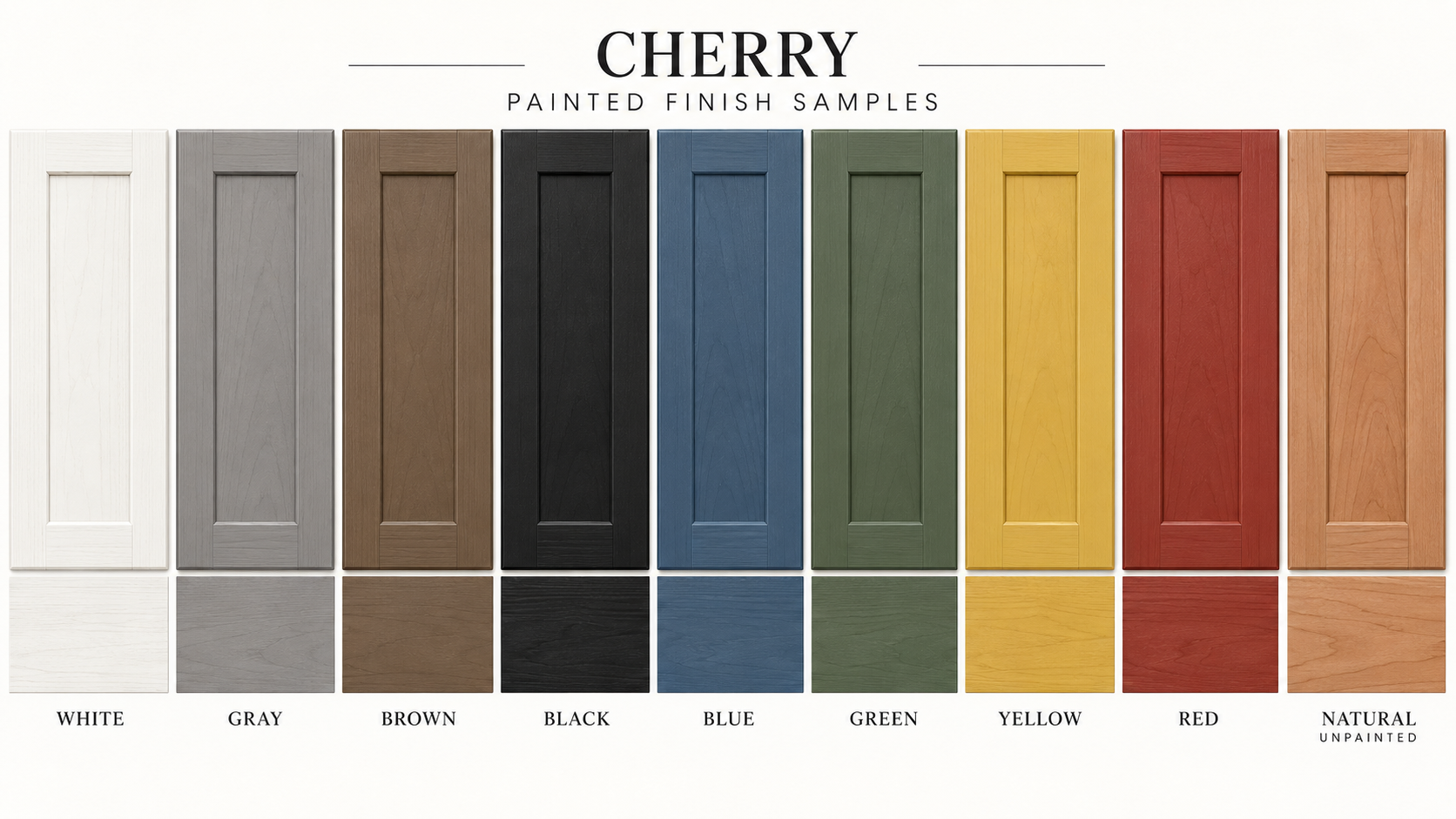
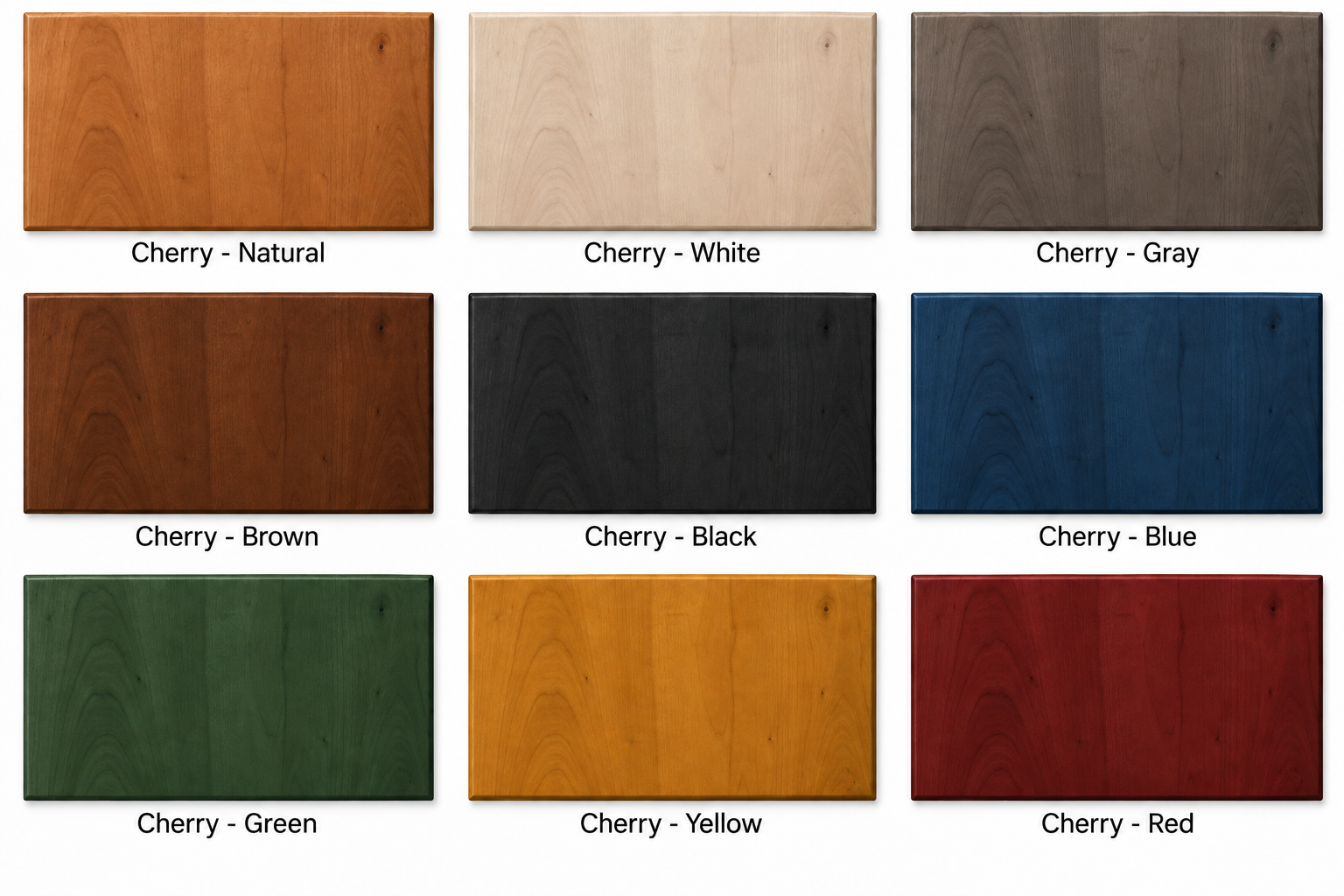
FINISH & DESIGN RECOMMENDATIONS Clear and warm-toned finishes showcase cherry particularly well. It also takes medium stains beautifully, but very dark finishes can hide the subtle grain that makes the species distinctive. Use it for classic Shaker, inset, raised-panel, and sophisticated transitional cabinetry.
CABINETRY CONSIDERATIONS Ideal for kitchens, studies, libraries, vanities, and formal built-ins. Plan for natural color deepening and avoid judging newly finished cherry against older installed samples without accounting for aging.
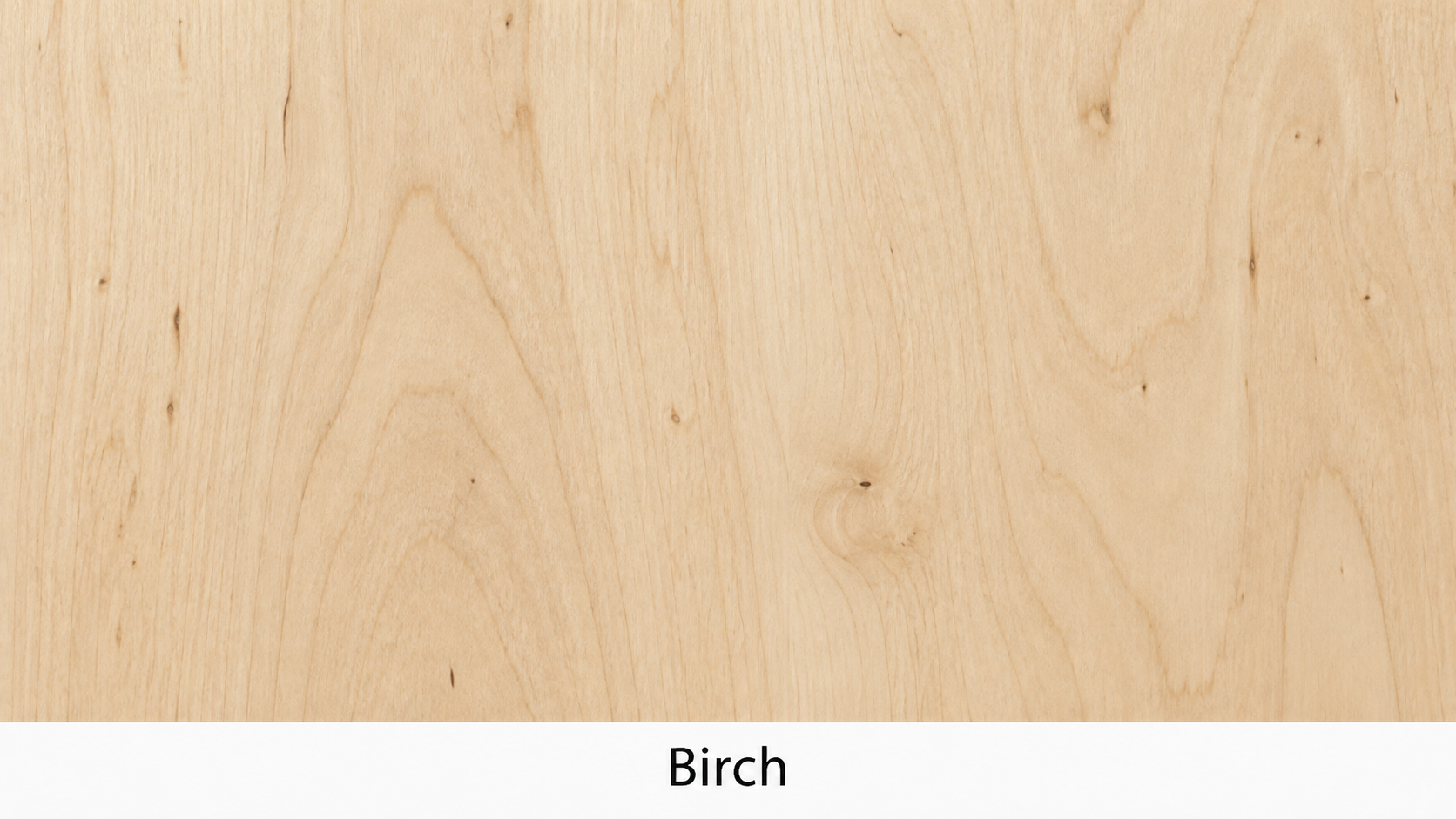
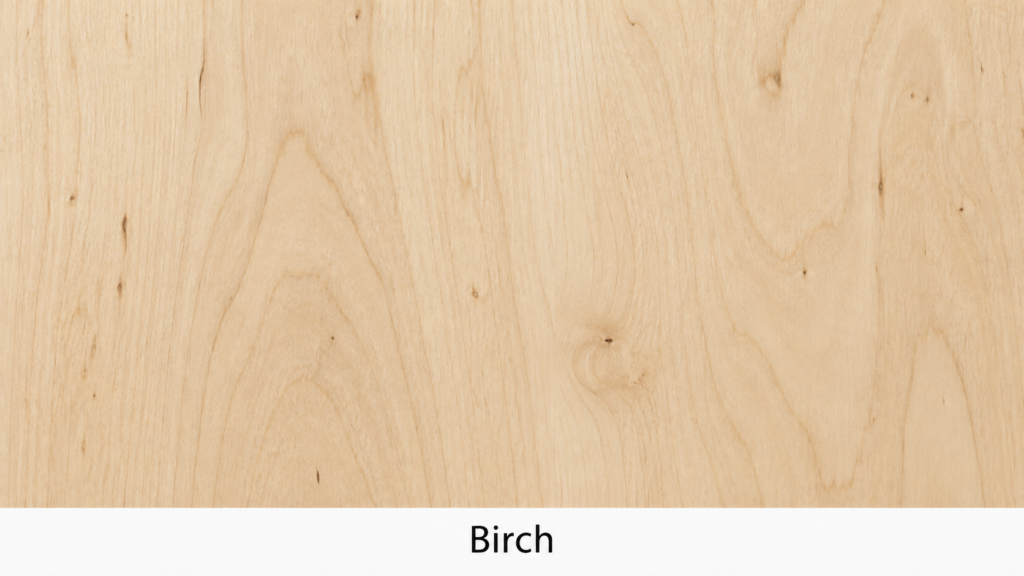
Birch
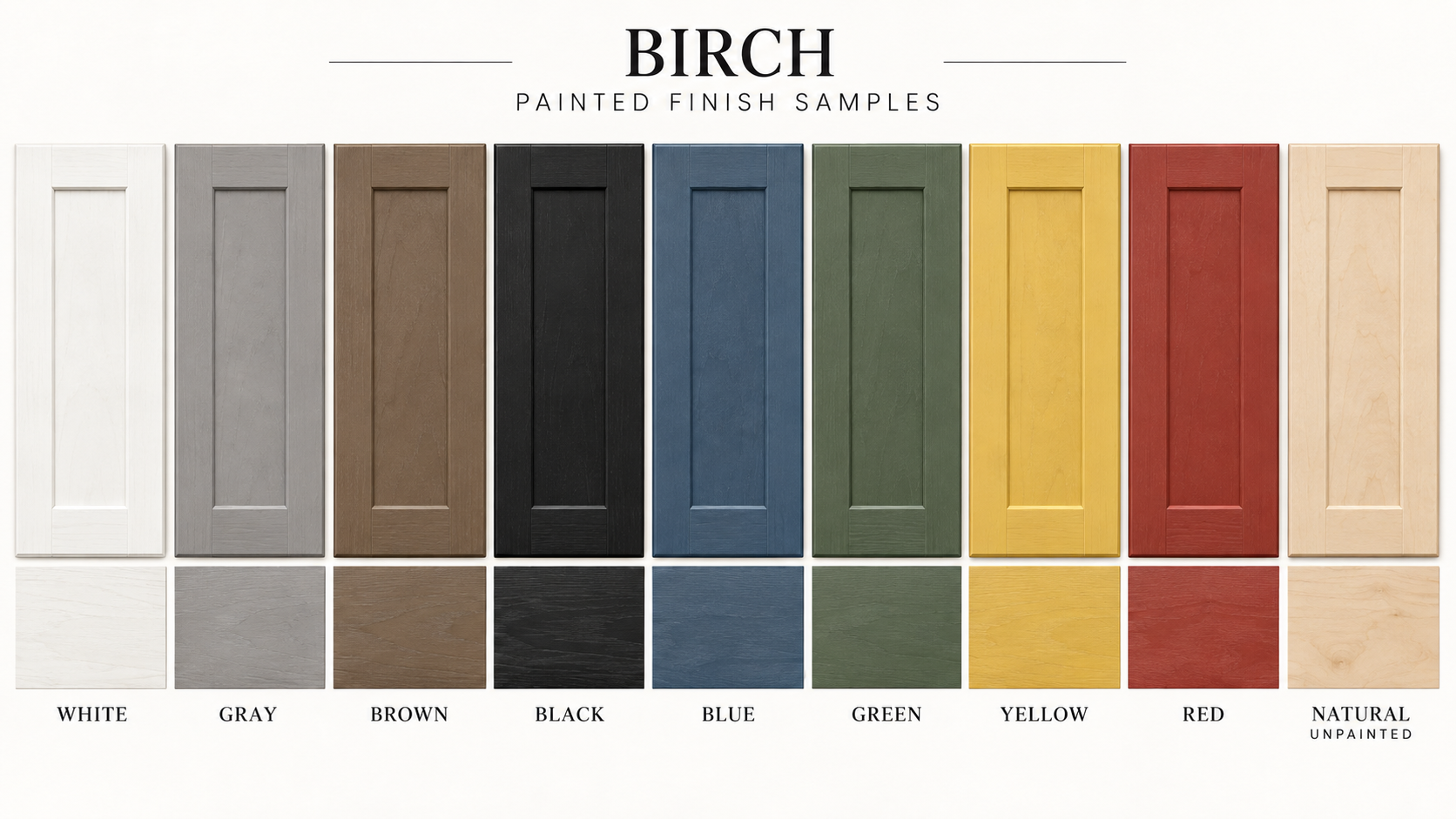
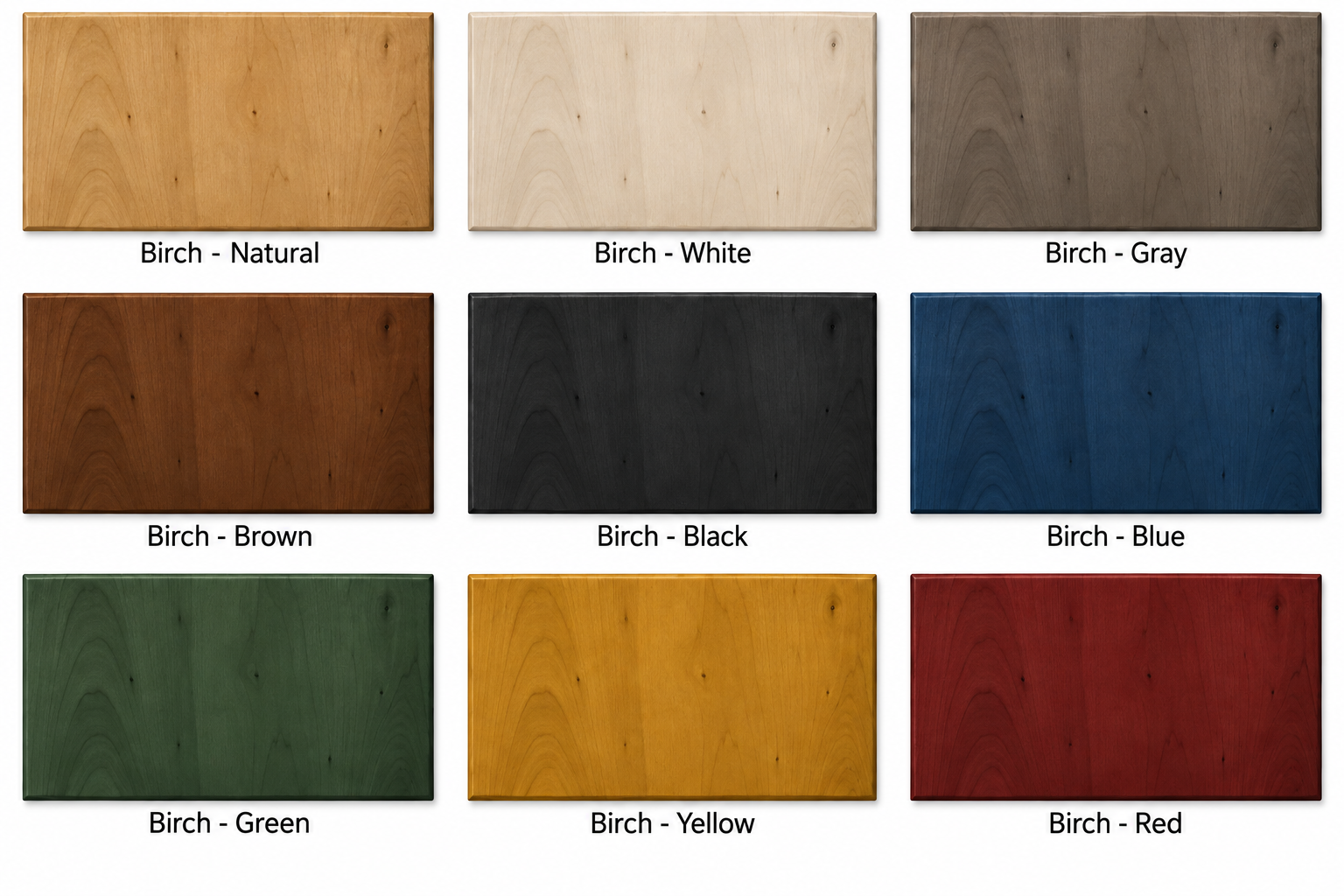
WOOD CHARACTER Birch has a light, clean appearance ranging from creamy white to pale tan, sometimes with warmer brown heartwood. Its understated character makes it useful where the cabinetry should feel smooth and refined rather than strongly grained.
GRAIN PATTERN The grain is typically fine and even, with straight lines, gentle waves, and occasional subtle figure. Small mineral marks or color shifts may appear naturally but are less dominant than the grain in oak or ash.
FINISH & DESIGN RECOMMENDATIONS Birch performs well with clear finishes and painted applications. When staining, especially with darker colors, careful surface preparation, toner, or conditioner helps reduce blotching and maintain even color.
CABINETRY CONSIDERATIONS A practical choice for clean Shaker doors, contemporary cabinetry, vanities, closets, and painted projects. It offers a quiet visual base that lets hardware, countertops, and architectural details take more attention.
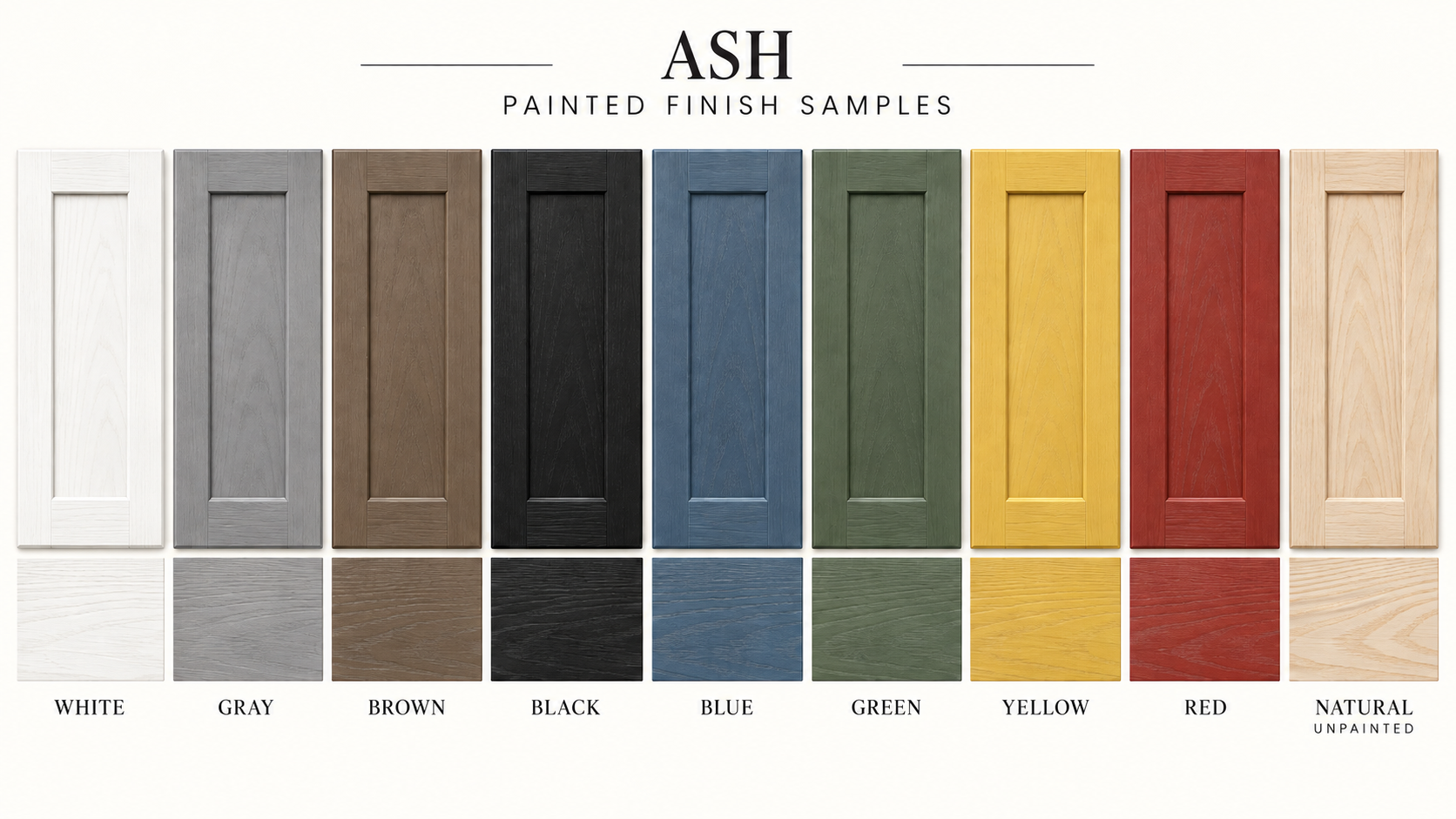
Ash
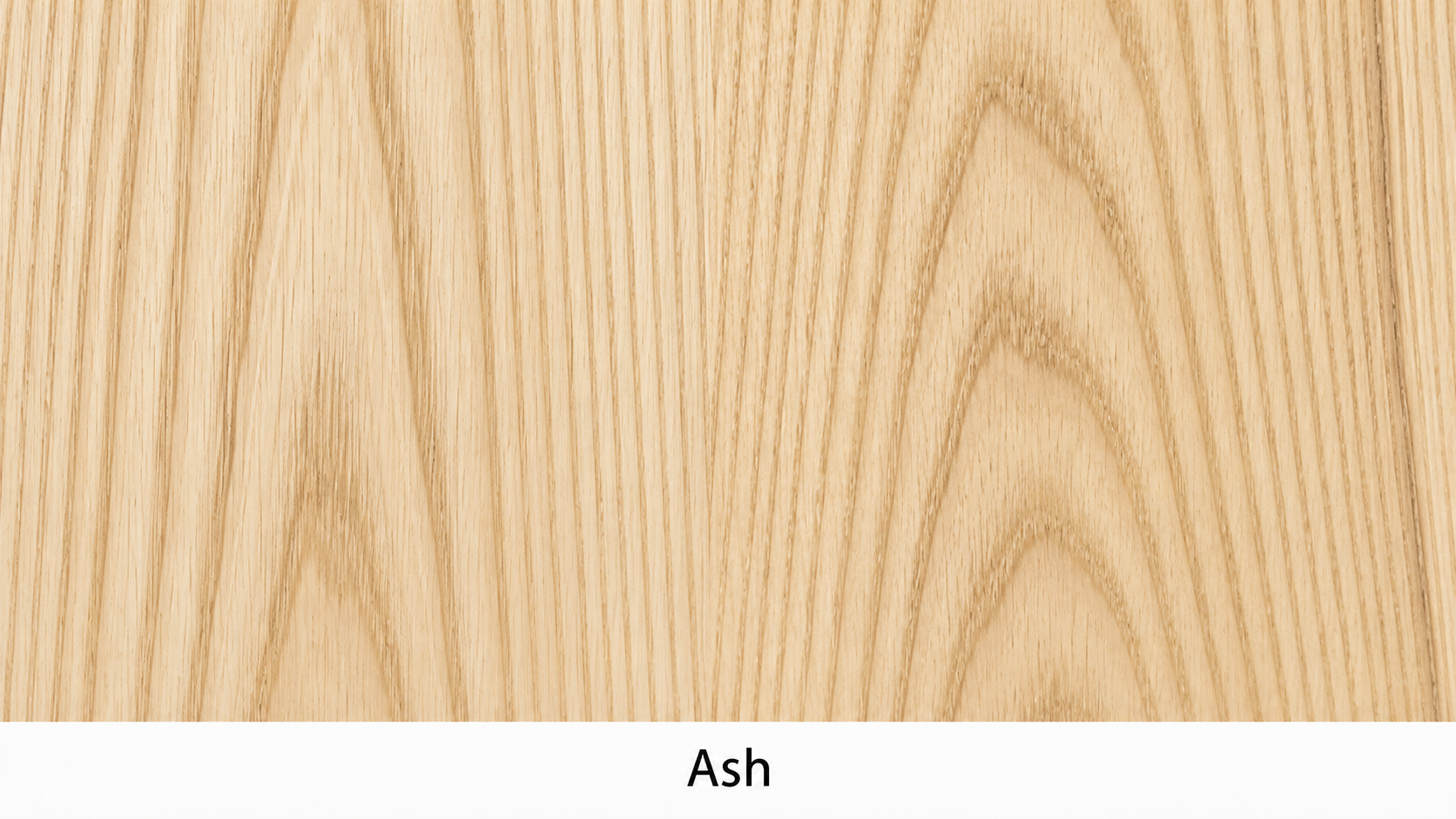
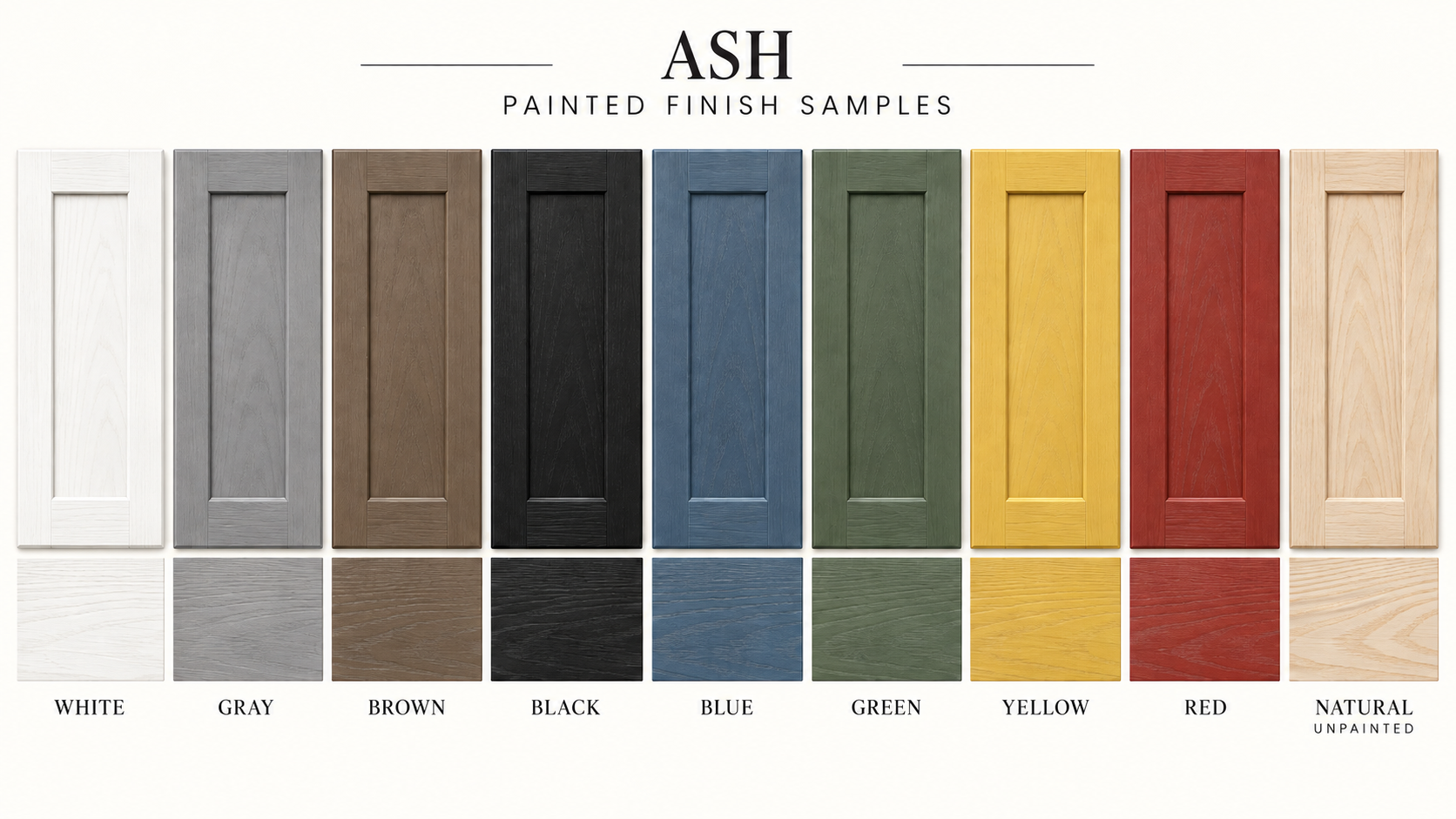
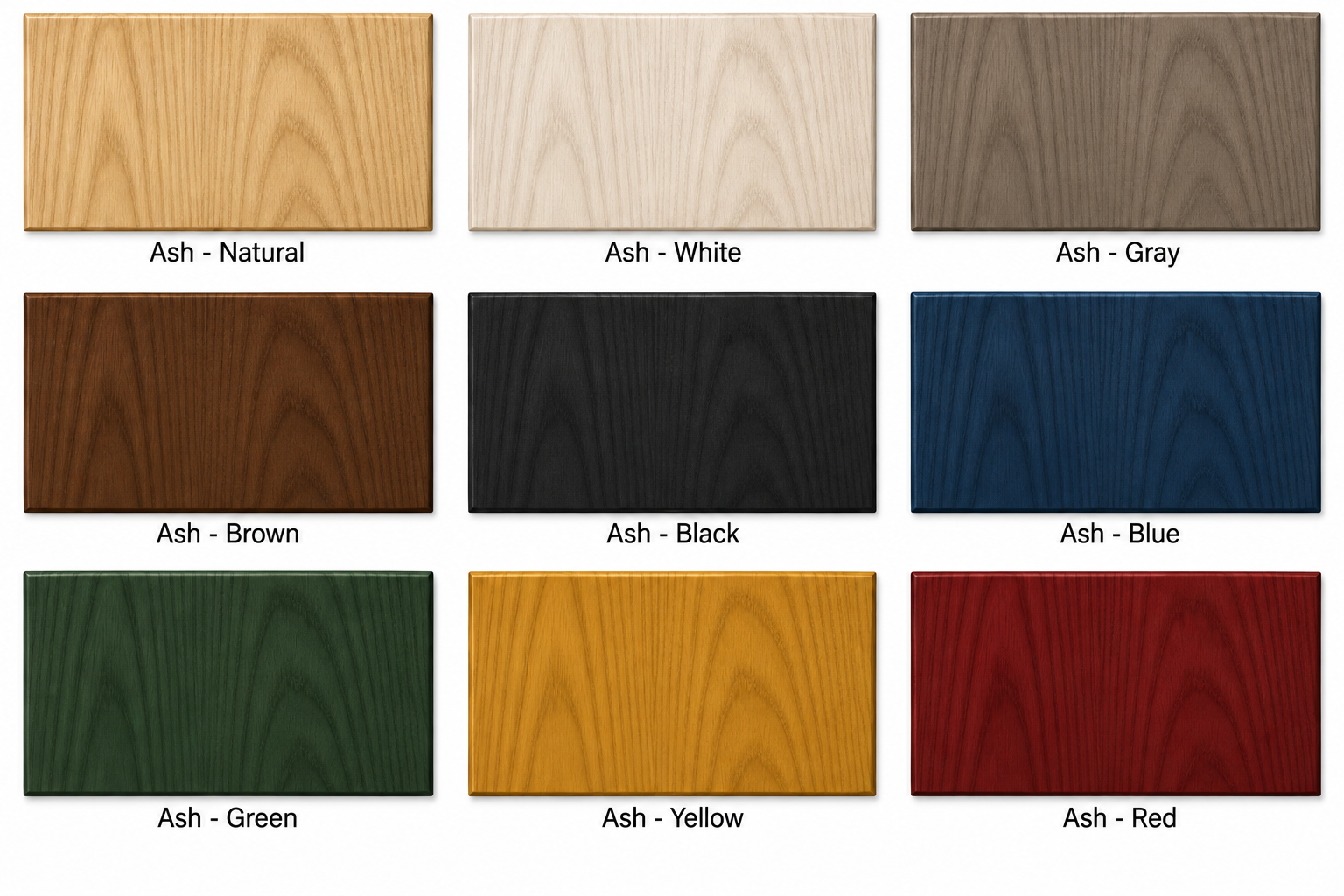
WOOD CHARACTER Ash is a light-colored hardwood with a lively, clearly defined grain. It offers much of the visual strength of oak while often reading lighter and cleaner, making it especially useful in contemporary and Scandinavian-inspired cabinetry.
GRAIN PATTERN The grain is open and pronounced, commonly straight with long linear growth patterns and occasional cathedral figure. It generally lacks the prominent ray fleck associated with quarter-sawn white oak.
FINISH & DESIGN RECOMMENDATIONS Ash looks excellent under clear matte finishes, pale washes, natural oils, and stains that emphasize rather than hide the grain. It can also take darker stains effectively when a high-contrast grain pattern is desired.
CABINETRY CONSIDERATIONS A strong, resilient hardwood suitable for doors, face frames, built-ins, and furniture-like cabinetry. Use straight-grained selections for the cleanest modern presentation.
Alder
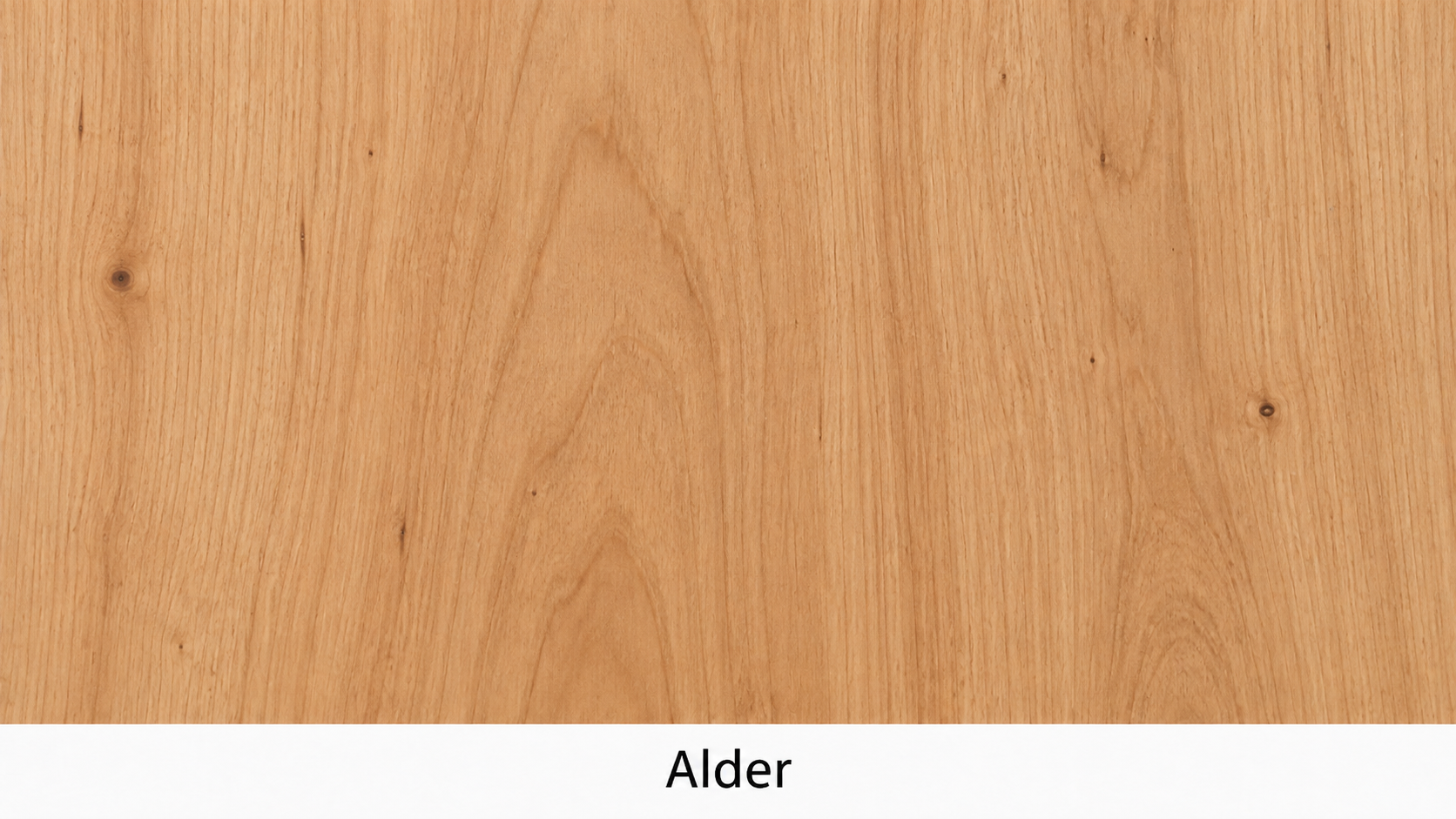
WOOD CHARACTER Alder has a warm, approachable appearance with light tan, honey, and soft reddish-brown tones. Its relatively quiet grain makes it a useful alternative when a softer visual character is preferred over the strong grain of oak or hickory.
GRAIN PATTERN The grain is generally fine and straight with gentle cathedral patterns and occasional small pin knots. Color is usually fairly consistent, although natural streaks and small imperfections may occur.
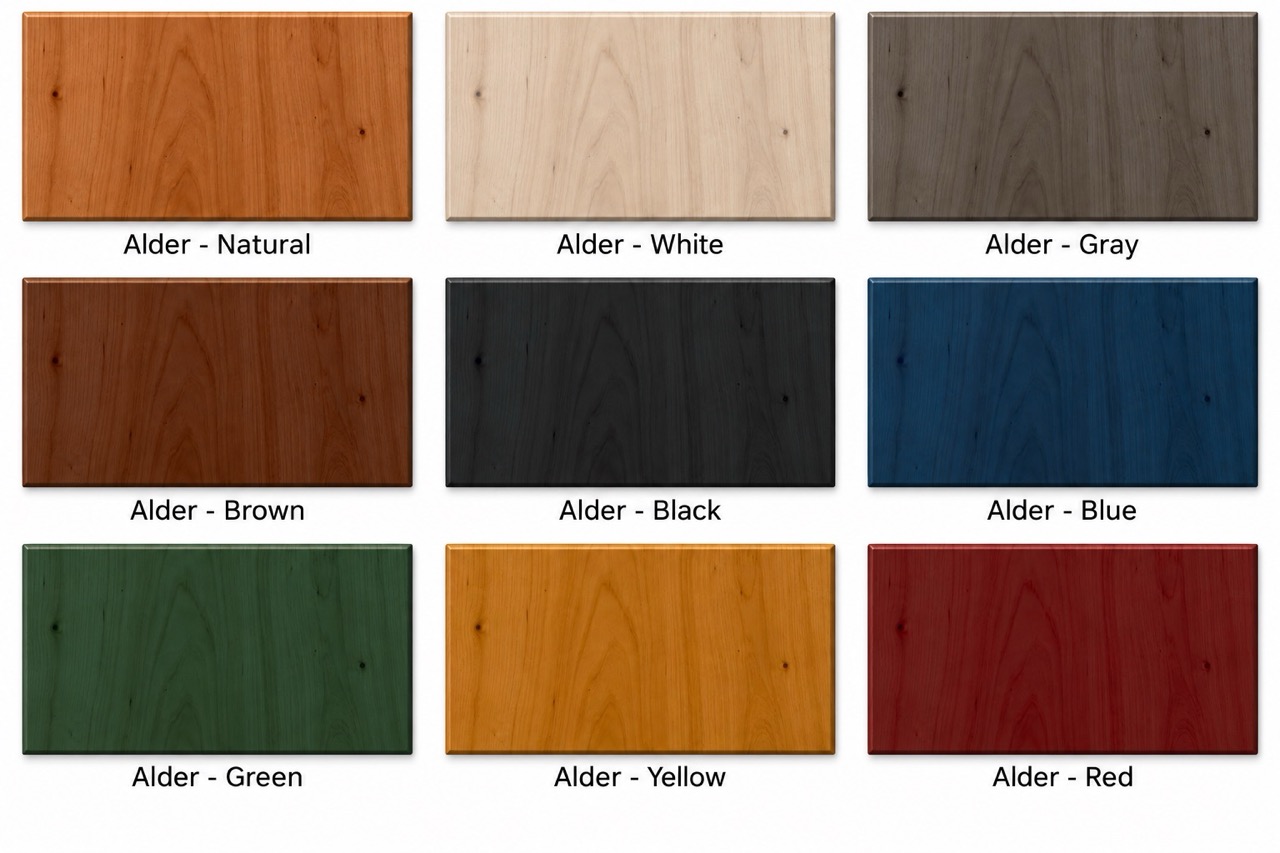
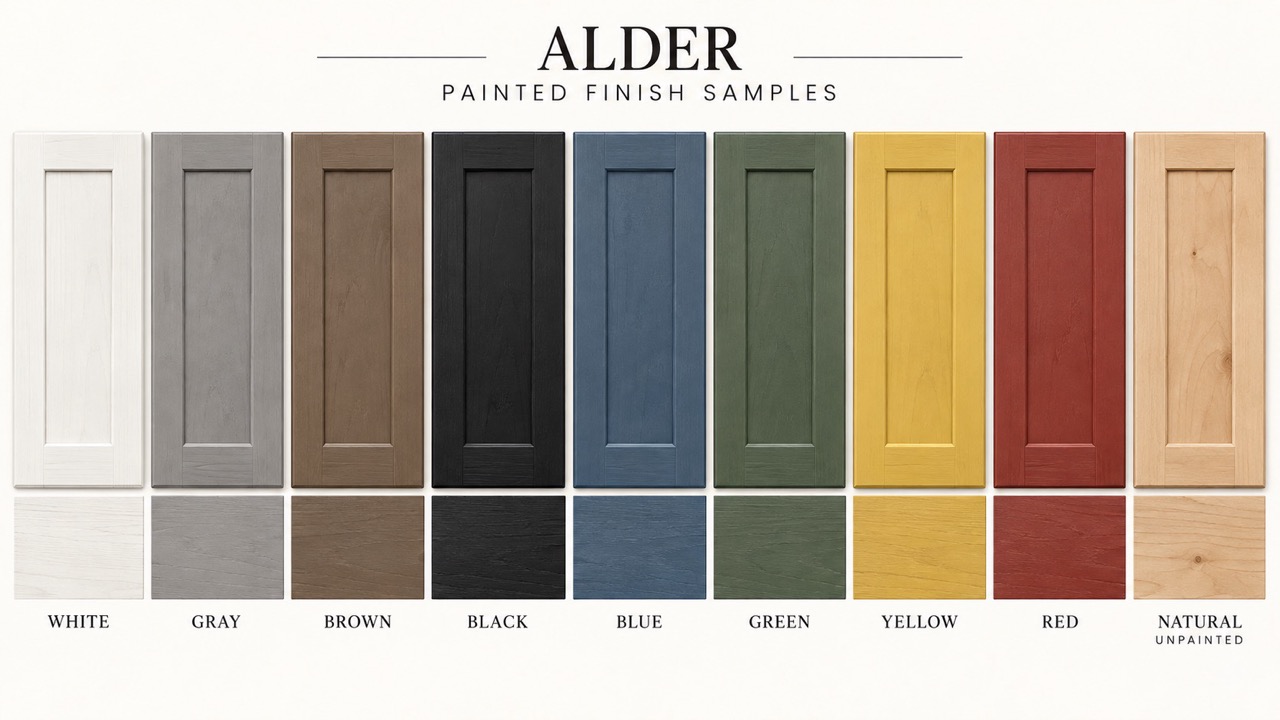
FINISH & DESIGN RECOMMENDATIONS Alder works well with clear finishes, medium warm stains, and many traditional stain colors. Because it can absorb stain unevenly, a controlled finishing system or conditioner helps produce a more uniform result. It is attractive in Shaker, applied-molding, and traditional door styles.
CABINETRY CONSIDERATIONS Alder is softer than maple, oak, hickory, or ash, so it can show dents and wear more readily. It is best where the warm look is more important than maximum hardness.
Fully Customizable
Designed Around Your Choices
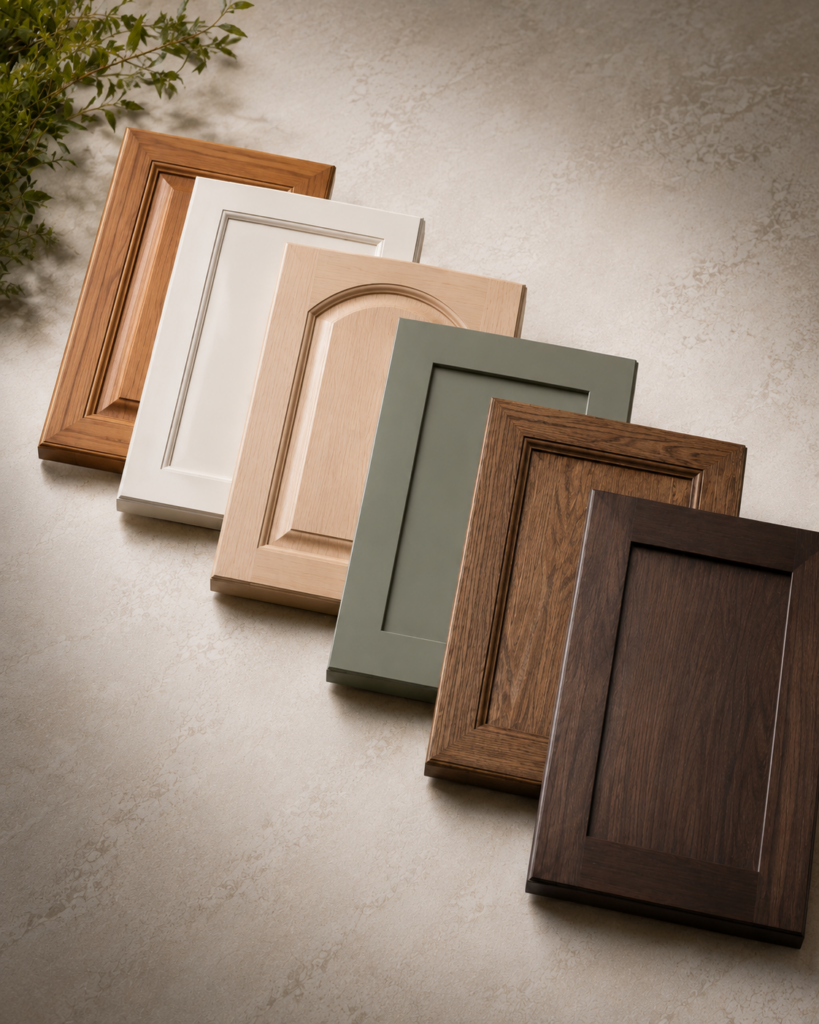
Door Styles
Elevate your space with expertly crafted custom doors designed for style, durability, and precision.
Learn More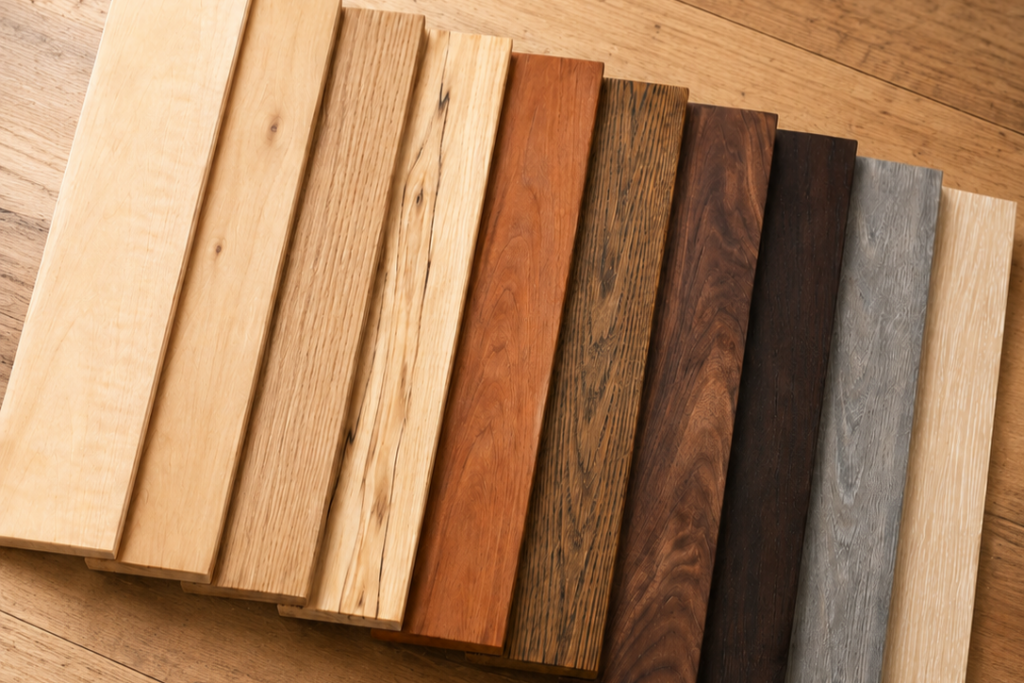
Wood Types
When it comes to choosing the perfect wood for your cabinets, there is a variety of beautiful options to consider.
Learn More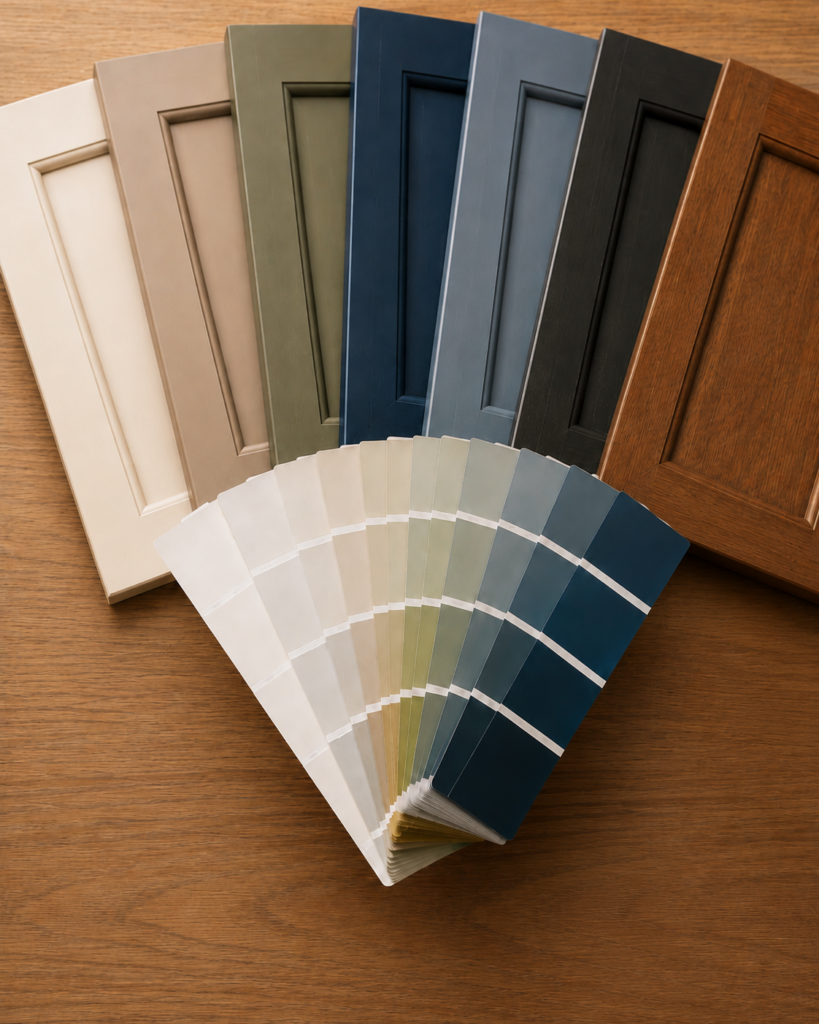
Colors
Choose from a curated range of finishes that bring out the character of your cabinetry and complement your space.
Learn more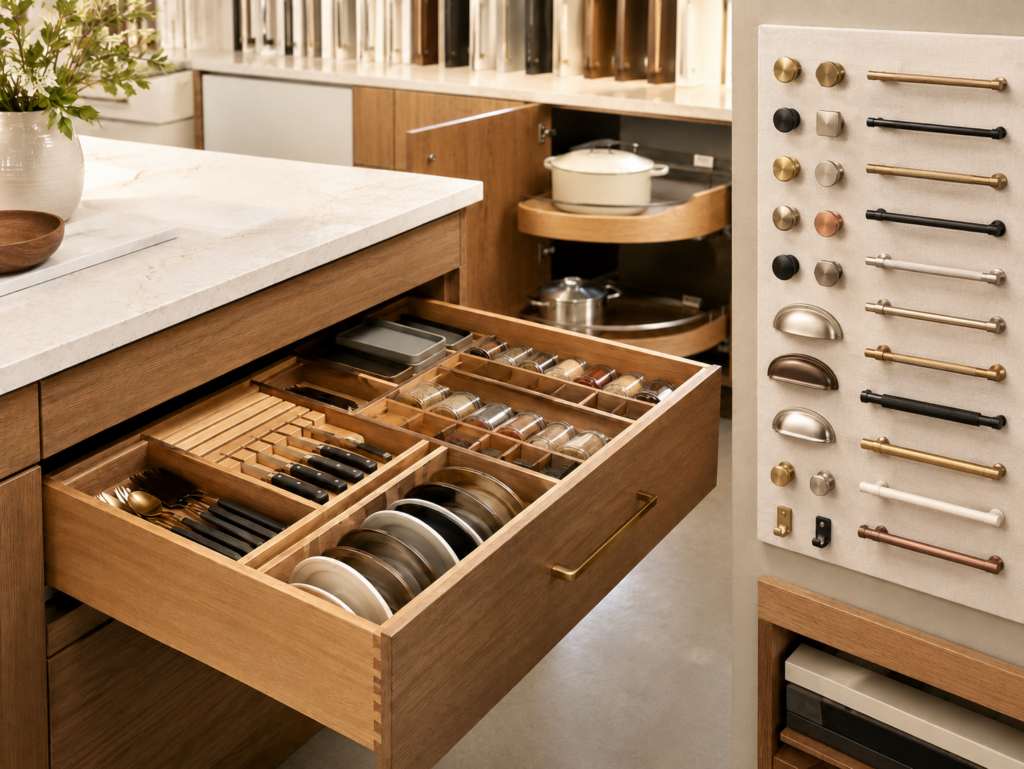
Accessories
Our premium cabinet accessories are designed to enhance functionality and add a refined touch to your space.
Learn More